
Lantana urticifolia
Lantana urticifolia
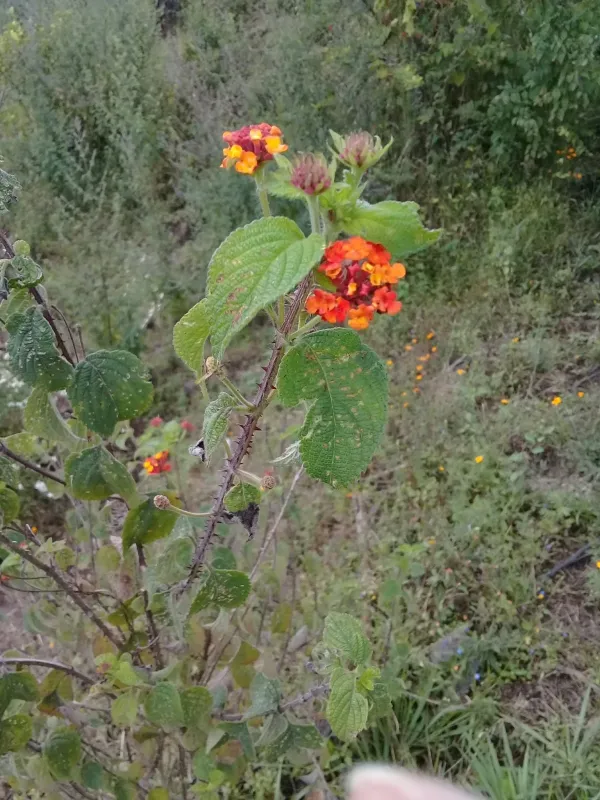
Description
Growing requirements
Lantana urticifolia belongs to the Verbenaceae family and is widely recognized for its robust growth habit and ornamental value in tropical climates worldwide.
Native to the Americas, this species thrives in tropical and subtropical zones. It performs best under full sun exposure, which is necessary for dense flowering and healthy foliage development.
The plant demonstrates a preference for well-draining soil types, showing resilience in various soil conditions including those with moderate nutritional content.
Temperature requirements are strictly aligned with warm environments; it does not tolerate frost and typically enters a dormant state when temperatures drop significantly.
Regular maintenance involves pruning to control the size of the plant and removing spent flowers to encourage the production of new blooms throughout the active season.
Main diseases and pests
Common pests affecting Lantana urticifolia include spider mites, which can proliferate rapidly in hot and dry weather conditions, damaging the leaf tissue.
Whiteflies are frequently observed on the undersides of leaves, and their presence can lead to stunted growth and the transmission of secondary plant health issues.
Powdery mildew represents a significant fungal threat, particularly in environments with poor airflow or high humidity levels that create ideal conditions for spore germination.
Root rot is a potential danger if the soil remains waterlogged for extended periods, necessitating the use of proper drainage systems and careful irrigation scheduling.
Effective management includes maintaining a clean growing area, ensuring adequate spacing between plants, and implementing early diagnostic checks to prevent major infestations.