
Lantana rugosa
Lantana rugosa
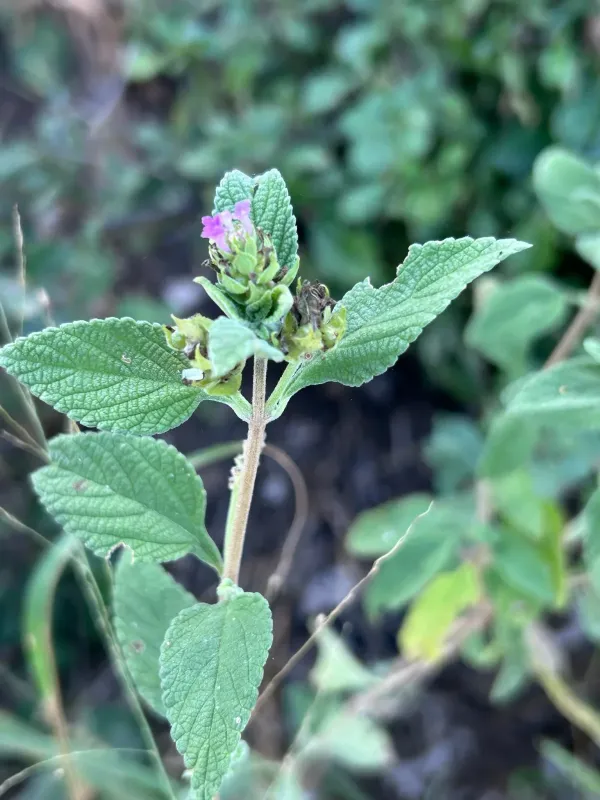
Description
Growing requirements
Lantana rugosa is a perennial shrub belonging to the Verbenaceae family, native to the tropical and subtropical zones of Southern Africa. The plant is well-regarded for its distinctive rugose (wrinkled) leaves and clusters of small, fragrant tubular flowers that range in shades from violet to purple.
Cultivation of this species requires a warm climate, as it cannot survive freezing temperatures. In cooler regions, Lantana rugosa is typically grown as an annual or managed in pots that are moved indoors during the winter months to protect the plant from cold damage and frost.
The plant thrives in well-draining, nutrient-rich soil with a neutral pH. Proper soil preparation is essential to ensure that the root system develops healthily without being subjected to stagnant moisture, which is the primary cause of decline for this horticultural crop in artificial landscapes.
In terms of light and moisture, the plant is remarkably drought-tolerant once established. It requires full sunlight to maintain its compact growth habit and consistent flowering performance. Partial shade should be avoided as it leads to sparse foliage and lower overall vigor of the shrub.
Horticulturally, it is utilized for landscaping in arid and semi-arid climates, as well as for container gardening. Its ability to withstand frequent pruning makes it an excellent choice for hedge formation, formal borders, or decorative sculptural displays in public and private gardens.
Main diseases and pests
Common pests include whiteflies and spider mites, which thrive in dry environmental conditions. Fungal diseases such as powdery mildew may occur if air circulation is insufficient. Integrated pest management, including regular pruning for airflow and biological control methods, is recommended for effective crop protection.