
Lantana reticulata
Lantana reticulata
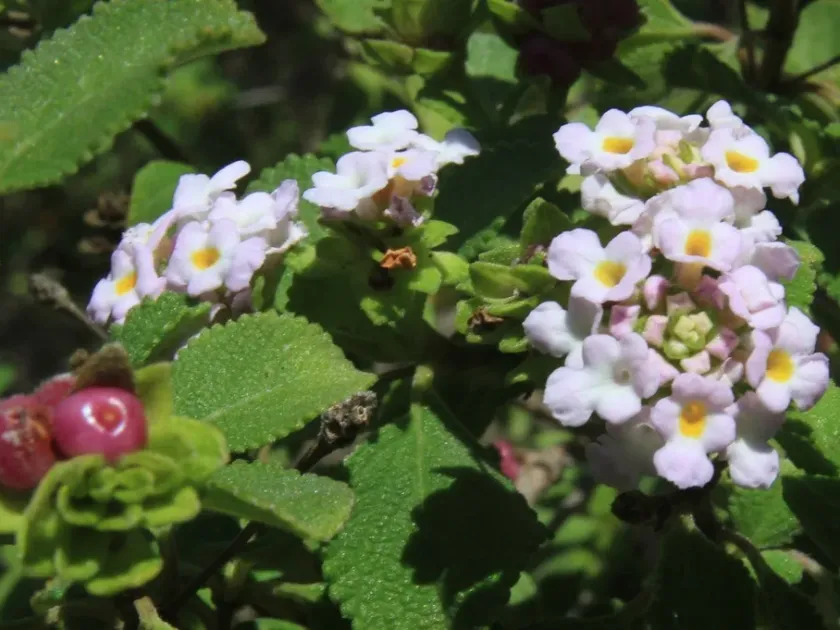
Description
Growing requirements
Lantana reticulata is a perennial shrub belonging to the Verbenaceae family. It is native to the Caribbean region, particularly found in Cuba, where it thrives in tropical environments characterized by high humidity and consistent warmth throughout the year.
This species requires full sun exposure to flourish and maintain its structural integrity. It is best adapted to well-draining soils that are rich in organic matter, as it cannot tolerate waterlogged conditions which often lead to root suffocation.
The climate requirements for Lantana reticulata are strict regarding frost sensitivity. As a tropical plant, it demands temperatures above 15 degrees Celsius to remain active, as exposure to cold air will cause severe damage to its foliage and stems.
Agrotechnical practices involve regular moisture management. While it is somewhat resilient once established, consistent irrigation during the peak growing season is necessary to ensure vigorous development and abundant foliage production.
Maintenance of this crop also involves periodic pruning to manage its growth habit. Pruning not only maintains the shape of the plant but also encourages new growth, which is essential for ensuring that the plant remains healthy and dense.
Main diseases and pests
Typical pests affecting Lantana reticulata include whiteflies, spider mites, and mealybugs. These insects often target the undersides of leaves, sucking sap and weakening the plant if not addressed through timely monitoring.
Fungal diseases like powdery mildew are common in environments with poor air circulation or high humidity levels. These pathogens often manifest as white patches on the leaves, which can reduce the photosynthetic capacity of the shrub.
To control these threats, growers should prioritize cultural practices, such as ensuring proper spacing between plants and maintaining adequate airflow. Removing infected leaves promptly can help prevent the spread of fungal spores.
Chemical intervention may be necessary when pest populations exceed economic thresholds. Systemic insecticides are generally effective against piercing-sucking insects that commonly infest this type of tropical shrubbery.
Preventative care also involves maintaining soil health and providing balanced fertilizers. A robust, well-nourished plant is naturally more resistant to common pests and diseases than one suffering from nutritional deficiencies.