
Lantana tiliifolia
Lantana tiliifolia
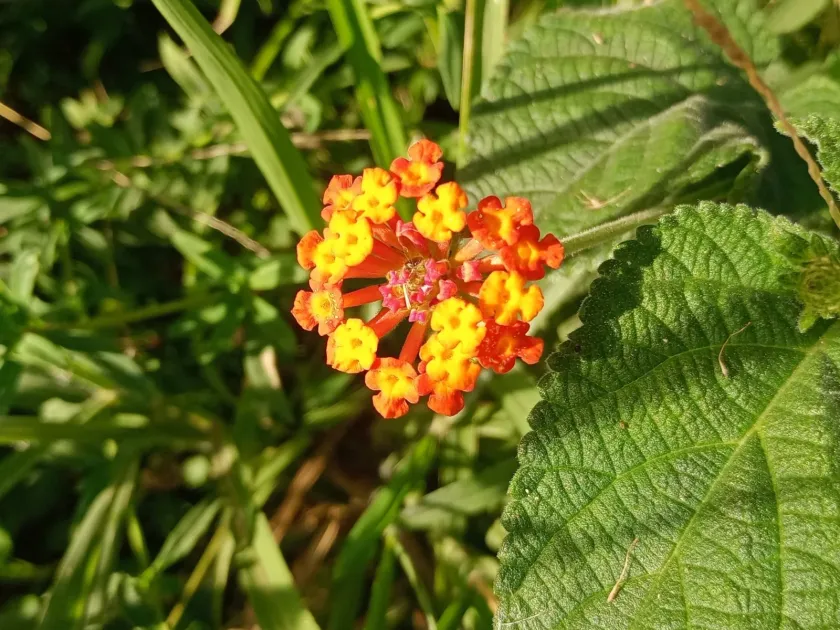
Description
Growing requirements
Lantana tiliifolia is a member of the Verbenaceae family, native to tropical regions of the Americas. As a perennial woody shrub, it is recognized for its distinctive leaf structure, which resembles that of the Tilia species, and its dense clusters of small, colorful flowers that evolve in tone throughout the blooming cycle.
The plant thrives in warm, tropical climates and is sensitive to frost, which limits its outdoor cultivation to frost-free zones. In agricultural settings, it requires full sun exposure and well-draining, nutrient-rich soil to ensure optimal metabolic activity and prolific flower production throughout the growing season.
Botanically, Lantana tiliifolia displays significant phenotypic plasticity, allowing it to adapt to various soil types, ranging from slightly acidic to neutral. Its rapid growth rate makes it a popular candidate for erosion control and landscape stabilization, although its invasive potential must be managed in non-native habitats.
Cultivation practices involve regular pruning to maintain structural integrity and prevent the plant from becoming overly leggy. Adequate irrigation is essential during establishment and dry spells, while supplemental potassium-based fertilizers help promote vigorous flowering and overall plant health in ornamental displays.
Beyond its ornamental appeal, the plant is studied for its chemical profile and potential uses in traditional applications. However, due to its potential toxicity if ingested by livestock, its placement in grazing environments should be carefully planned to prevent adverse effects on animal health.
Main diseases and pests
Lantana tiliifolia is susceptible to various pests, most notably whiteflies, aphids, and spider mites, which can proliferate rapidly in sheltered or greenhouse environments. Implementing integrated pest management strategies, including biological controls or targeted sprays, is recommended for effective population suppression.
Fungal pathogens such as root rot represent a significant threat to plant viability, especially when drainage is suboptimal. Maintaining proper air circulation and strictly monitoring irrigation schedules are the primary preventive measures against soil-borne diseases that frequently affect this species.