
Lippia nodiflora
Phyla nodiflora (L.) Greene
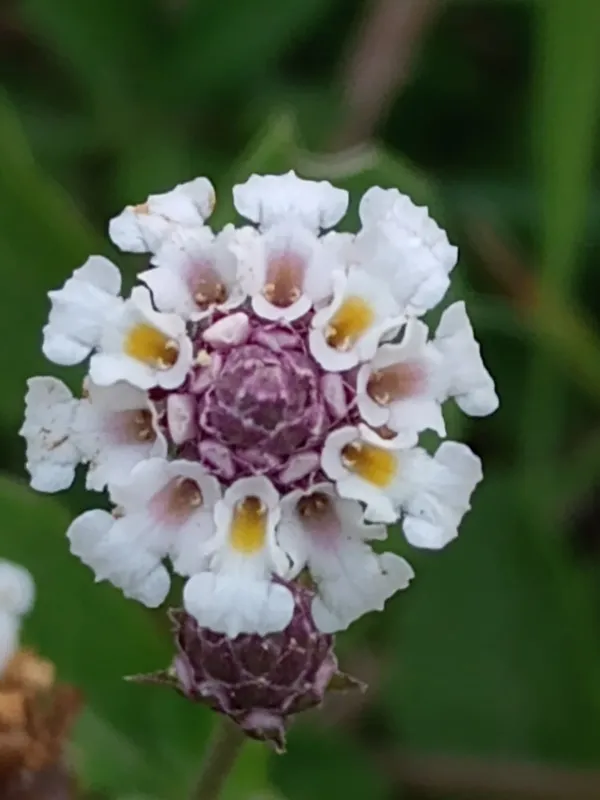
Description
Sowing dates
Propagation of Lippia nodiflora is most effectively achieved through vegetative methods, such as stem cuttings or division of existing mats. Cuttings should be taken during the active growth phase, ensuring they are placed in a moist, nutrient-rich rooting medium.
Seed sowing is possible but less common than vegetative propagation due to slower establishment rates. If seeds are used, they should be sown in a protected environment with consistent temperatures between 20 and 25 degrees Celsius to ensure germination success.
For landscape projects, planting modules or plugs are typically used to create a uniform cover. Spacing depends on the desired coverage speed, with 20–30 cm being standard to allow the plants to knit together effectively within a single growing season.
Timing the sowing or planting process is crucial; it must occur after the last frost of the spring. The soil temperature must be sufficiently warm to support rapid root development and prevent the stagnation of young plant growth.
Once established, the plants create a dense mat that naturally suppresses weeds. During the initial growth phase, irrigation must be strictly monitored to maintain consistent moisture, which is vital for deep root penetration in the field.
Growing requirements
Lippia nodiflora belongs to the Verbenaceae family and is recognized for its creeping habit and adaptability. It thrives best in full sun exposure, which is necessary to maintain the density of the foliage and promote consistent flowering throughout the summer.
Soil requirements are relatively flexible, as the plant can adapt to various soil types, including sandy, loamy, and even slightly alkaline substrates. However, it performs best in well-drained soils where there is no risk of persistent waterlogging.
One of the primary benefits of this culture is its exceptional drought tolerance. Once the root system is well-established, it requires significantly less supplemental irrigation than traditional turf grasses, making it an ideal choice for water-efficient landscapes.
Climatic requirements favor tropical and subtropical regions. The plant is considered tender, and while it can tolerate light frosts, prolonged periods of extreme cold can cause significant die-back of the above-ground biomass.
Maintenance involves periodic fertilization with balanced NPK formulas to support its rapid growth. In a cultivation context, periodic mowing or trimming can be performed to maintain a desired height and appearance in public or residential green spaces.
Main diseases and pests
Generally, Lippia nodiflora is a robust plant with few serious disease concerns. Proper drainage is the most effective preventative measure against root-borne pathogens, which are the main threat in heavily irrigated or poorly drained areas.
Pests such as aphids or spider mites can occasionally affect the plant during periods of high humidity or heat stress. Standard horticultural monitoring and the use of insecticidal soaps or biological controls are usually sufficient to manage these populations.
Weed control remains the most significant challenge for growers during the establishment period. Fast-growing invasive grasses can outcompete the young runners, so regular weeding is essential until the Lippia has formed a complete, impenetrable canopy.
In regions with severe winters, cold-induced damage is a major threat to long-term viability. Protecting the crown of the plant with organic mulch can provide a buffer against extreme temperature fluctuations that might otherwise kill the plant.
Mechanical damage from heavy foot traffic in immature lawns can delay root establishment. Restricting access to newly planted areas until the plants have fully rooted is a critical step in successful commercial or residential site management.