
Myrianthus arboreus
Myrianthus arboreus
Description
Sowing dates
Myrianthus arboreus, a member of the Urticaceae family, is primarily propagated through seeds within its native tropical habitat. Sowing should occur immediately after harvesting the ripe fruits, as the seeds lose viability rapidly when dried out.
For successful germination, high soil moisture and temperatures between 25 and 30 degrees Celsius are essential. Seeds are typically sown in nurseries using a lightweight, organic-rich substrate that ensures excellent drainage while preventing waterlogging.
The germination process usually takes three to six weeks depending on seed freshness. Young seedlings require shade during their first months of growth, as they naturally develop under the canopy of tropical rainforests.
Transplanting to the permanent growing site is performed once the saplings reach 40–60 centimeters in height. Care must be taken to protect the taproot system, as the tree is sensitive to root disturbance during transplantation.
The optimal time for planting orchards is the beginning of the rainy season, allowing the young trees to establish themselves with natural irrigation before the arrival of the dry season.
Growing requirements
This crop is native to the humid tropical forests of West and Central Africa. Myrianthus arboreus requires heavy rainfall and high average temperatures year-round and is highly sensitive to frost or prolonged dry spells.
The tree prefers deep, well-drained soils rich in humus. While it can tolerate clay-heavy soils, effective drainage is vital to prevent root rot caused by stagnant water in the soil profile.
Myrianthus thrives best in full sun or light dappled shade. Total lack of light hinders productivity, although young trees benefit from protection against intense, direct sunlight during their early developmental stages.
Providing protection from strong winds is crucial, as the branches can be relatively fragile and wind damage can reduce fruit quality. Establishing windbreaks around the plantation is a standard agricultural practice.
Soil pH should ideally be slightly acidic. The tree responds well to the application of organic mulch and fertilizers, which help maintain soil fertility and support the vigorous growth of the tree.
Yield
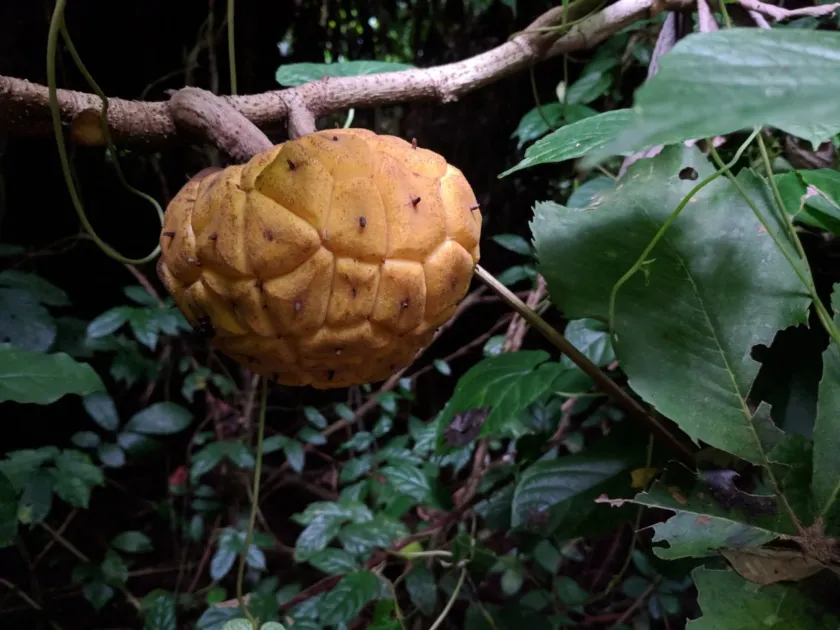
Myrianthus arboreus begins to bear fruit between 4 and 6 years after planting. The fruit consists of large, fleshy, compound structures, often yellow or orange when ripe, with a pleasant, distinctive aroma.
The yield per mature tree varies based on ecological conditions and management practices. In optimal tropical environments, a single healthy tree can produce between 15 and 25 kilograms of fruit per season.
The pulp is sweet-and-sour and highly valued in local cuisine. It is consumed fresh or used to prepare traditional beverages, desserts, and jams, making it a significant nutritional resource for local communities.
In addition to the fruit, the young leaves are also utilized as a vegetable. They serve as an important dietary supplement during periods when other food crops may be scarce, providing essential vitamins.
The peak harvest occurs during the rainy season. Harvesting must be handled carefully, as the fruits are delicate and prone to bruising, which can severely impact their shelf life and market value.
Main diseases and pests
The primary threat to Myrianthus arboreus is fungal infection of the root system, often caused by inadequate drainage. Excessive soil moisture promotes rot, which can lead to the rapid decline and death of the tree.
Common pests include mealybugs and aphids, which target young shoots and leaves. Preventive monitoring and the use of biological control agents are recommended to manage these insect populations effectively.
Various fruit-boring insects may damage the fruits during maturation. Prompt harvesting and the removal of fallen fruit from the orchard floor are essential strategies to reduce pest infestation and disease spread.
Competition from weeds in the early stages of growth significantly stunts development. Regular weeding around the base of the tree is mandatory to ensure adequate access to water and nutrients.
Phytopathogens spreading from wild plants are also a concern. Maintaining proper spacing and phytosanitary conditions within the plantation is necessary to ensure the long-term health of the trees.
Harvesting
Harvesting the fruits of Myrianthus arboreus requires manual labor due to the delicate nature of the pulp. Maturity is indicated by a change in color and the emission of a characteristic aromatic scent.
Fruits should be picked using pruning shears or by hand, avoiding any impact or dropping, as the soft flesh bruises instantly upon hitting the ground, causing rapid spoilage.
Post-harvest, the fruits should be processed or consumed quickly. Without specialized cooling technology, the fresh fruit has a very limited shelf life in a tropical climate.
Long-term storage is achieved through processing the fruit into jams or by drying. These methods help farmers preserve surplus yields and extend the availability of the product throughout the year.
Transporting the crop requires sturdy containers lined with soft materials. Maintaining cool temperatures during transit is beneficial in minimizing premature decay and preserving quality for the market.