
Gyrotaenia crassifolia
Gyrotaenia crassifolia
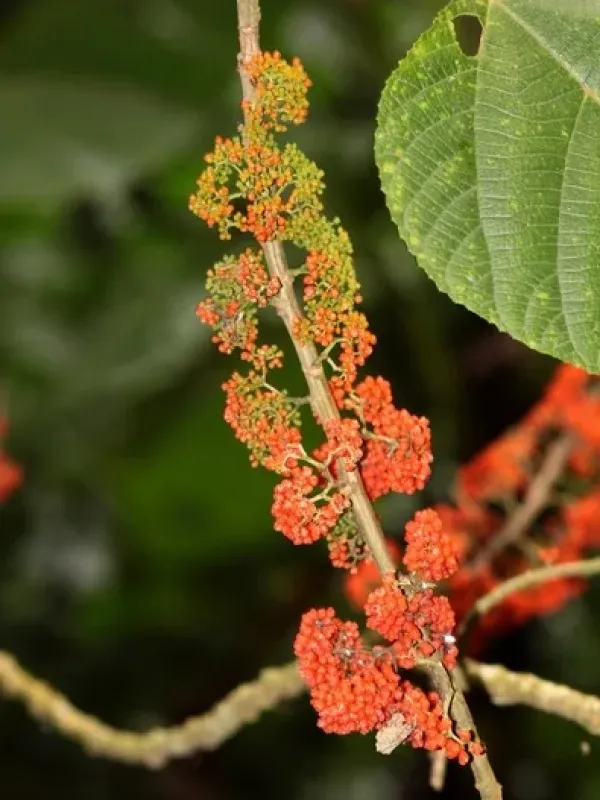
Description
Growing requirements
Gyrotaenia crassifolia is a plant species belonging to the Urticaceae family. It is recognized for its thick leaf structure and specific morphological adaptation to humid tropical environments where it forms a part of the local vegetation.
The cultivation of this species requires deep, well-structured soils that are rich in organic matter. Proper drainage is essential, as the plant is susceptible to root rot if water accumulation persists for extended periods in the root zone.
Climatic requirements focus on steady high temperatures and consistent rainfall or irrigation. Extreme thermal variations can lead to physiological stress, reducing the overall biomass production of the plant significantly.
Agronomic management involves regular application of nitrogenous fertilizers to support vegetative development. Soil moisture should be monitored closely to ensure that the root system remains stable throughout the growth cycle.
Field preparation must include deep plowing to allow for optimal root penetration. Maintaining appropriate plant spacing is crucial for ensuring sufficient light penetration, which prevents the lower stems from becoming weak or prone to rot.
Main diseases and pests
Pathogenic fungi pose the most significant risk to crop viability. Soil-borne diseases often flourish in poorly aerated soils, leading to rapid tissue necrosis and systemic plant failure if left untreated.
Insect pests, such as spider mites and leaf-chewing beetles, can cause extensive damage to the foliage. Implementing integrated pest management (IPM) practices is the most effective approach to control these infestations.
Virus transmission via sap-sucking insects remains a constant challenge in tropical farming conditions. Using clean propagation material is the primary defense strategy to prevent widespread field contamination.
Weed management is vital during the initial establishment phase. Since the plant is slow to canopy initially, it is highly susceptible to being choked by opportunistic weeds that compete for light and nutrients.
Environmental stressors, such as waterlogging, should be mitigated through proper land contouring and drainage ditches. Maintaining a healthy soil ecosystem through crop rotation is recommended to break pest life cycles.