
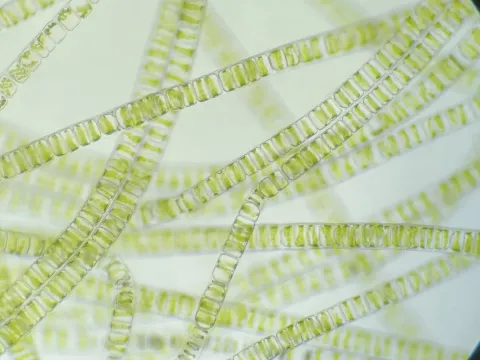
Ulothrix zonata
Ulothrix zonata
Ulothrix zonata is a species of filamentous green algae belonging to the Ulotrichaceae family. It is typically found in cool, flowing freshwater environments, where it forms bright green, slippery mats on submerged stones or artificial surfaces.
What the section contains
Ulothrix zonata
The culture requires high oxygen levels and clean water conditions to thrive. Being a cold-tolerant species, it demonstrates optimal growth rates in temperate climates during spring and late autumn, making it suitable for seasonal aquaculture.
Water quality parameters, such as neutral or slightly alkaline pH levels between 7.0 and 8.2, are crucial for its development. The algae also rely on a steady supply of dissolved nitrogen and phosphorus to maintain rapid vegetative reproduction.
Artificial cultivation involves flow-through systems that simulate natural river currents. This movement prevents the buildup of metabolites and ensures nutrients are evenly distributed across the entire biomass surface.
Light management is a critical factor for success. While the species requires light for photosynthesis, it prefers diffuse or indirect sunlight. High-intensity lighting can lead to cellular damage and poor biomass quality.
The economic value of Ulothrix zonata lies in its biomass production potential. It is increasingly utilized in aquaculture as a source of organic protein and essential nutrients for fish and crustacean feed formulations.
As a bioremediation agent, the algae are highly efficient at extracting nitrogen and phosphate pollutants from agricultural wastewater. This dual-purpose process cleanses the water while producing valuable harvestable material.
Biotechnological research highlights the presence of unique polysaccharides in this species. These compounds are of great interest for the cosmetic and pharmaceutical industries due to their moisturizing and bio-protective properties.
Harvesting techniques rely on mechanical filtration methods. Once collected, the biomass is typically dried or processed into extracts to preserve its biochemical integrity for various commercial applications.
Sustainable production systems aim for a circular approach, where the algae act as a biological filter for fish farms, turning waste into high-quality feed, thereby reducing overall operational costs.
Pathogenic fungi pose the most significant threat to Ulothrix zonata populations. Chytrid infections can spread rapidly through the filaments, causing significant biomass loss if not managed with early detection.
Biological competition from invasive phytoplankton species can stifle the growth of the crop. Regular monitoring and water quality control are necessary to maintain a monoculture and ensure maximum yield stability.
Temperature spikes exceeding 25 degrees Celsius are detrimental to the species. Heat stress disrupts the cellular structure, leading to filament breakage and preventing the formation of new, healthy vegetative clusters.
Bacterial degradation of biomass can occur if aeration is insufficient. When dead organic matter accumulates, it creates an anaerobic environment that fosters harmful microbes, threatening the entire culture's health.
Inadequate substrate material can hinder the algae's attachment process. It is essential to use biologically inert materials that support firm adhesion while allowing for easy cleaning and harvesting of the grown algae.