
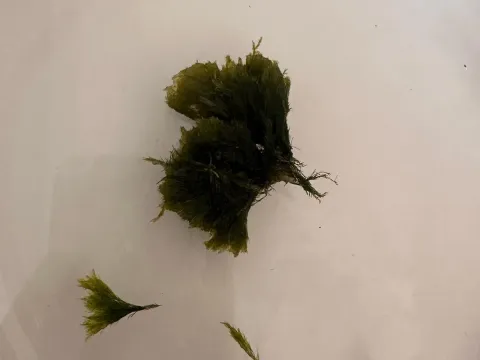
Spongomorpha
Spongomorpha
Spongomorpha is a genus of green algae belonging to the Acrosiphoniaceae family, widely distributed in temperate and arctic marine waters. These organisms are recognized for their filamentous growth form, which often results in dense, sponge-like tufts attached to rocky substrates.
What the section contains

Spongomorpha
Botanically, the thallus is characterized by highly branched filaments containing multinucleate cells. This structural arrangement provides the alga with significant mechanical resilience against the high-energy environments of the intertidal and subtidal zones where it typically thrives.
Environmental requirements for Spongomorpha include stable salinity levels and high water turnover. Constant aeration provided by wave action is essential for the exchange of gases and nutrients, which fuels the rapid metabolic rates necessary for its survival in cold climates.
Light availability is a critical factor, as Spongomorpha relies on photosynthesis to sustain its annual growth cycles. The species exhibits a heteromorphic life history, alternating between a visible macroscopic stage and a microscopic Codiolum-like phase that persists during unfavorable conditions.
In terms of cultivation, the genus requires stable substrate surfaces, such as rock or mollusk shells, to maintain its position in the water column. The temperature range should generally remain consistent to prevent premature senescence of the filamentous branches.
The primary threat to Spongomorpha populations is the increase in ocean surface temperatures associated with climate change, which disrupts the delicate timing of the algal life cycle.
Eutrophication, often resulting from nutrient runoff, causes significant stress to the alga by promoting the growth of opportunistic epiphytic species that compete for light and space on the thallus surface.
Pollution from heavy metals and industrial wastes accumulating in coastal sediments can cause direct toxicity to the cells, leading to reduced growth rates and eventual population decline.
Pathogenic organisms, including certain aquatic fungi and oomycetes, are known to infect the filaments, causing necrosis that can spread throughout a colony if environmental conditions become stressful.
Overgrazing by marine herbivores, such as sea urchins or specific gastropods, can rapidly deplete local biomass, especially when the total area of the algae population is already limited by environmental degradation.