
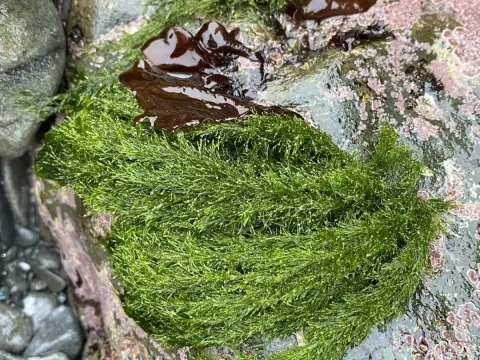
Acrosiphonia
Acrosiphonia
Acrosiphonia is a genus of filamentous green algae belonging to the family Acrosiphoniaceae. These marine organisms are widely distributed in the cold and temperate waters of the world, thriving primarily in the intertidal zones where they endure harsh environmental conditions.
What the section contains


Acrosiphonia
The botanical structure of Acrosiphonia consists of branched filaments that form dense, tufted clusters. Its bright green appearance is a result of high photosynthetic activity, allowing it to grow rapidly in the early spring months as the water temperature rises slightly.
These algae require solid substrates, such as rocks or submerged stones, to attach themselves securely. This anchoring is achieved through the development of specialized rhizoids, which allow the plant to withstand the physical stress of crashing waves and tidal currents.
Environmental conditions such as salinity, light penetration, and water temperature are critical for the health of Acrosiphonia. It is particularly well-adapted to the volatile, high-energy environment of the littoral zone, often dominating other species in its specific ecological niche.
While not a traditional land crop, Acrosiphonia is significant in marine studies due to its role in carbon sequestration and as a primary producer in the food web. It serves as essential habitat for numerous small invertebrates, contributing to the overall productivity of the coastal ecosystem.
The primary threat to Acrosiphonia populations is the global rise in ocean temperatures. As a cold-water adapted species, the warming of arctic and temperate waters directly interferes with its life cycle, distribution, and photosynthetic capacity.
Anthropogenic impacts, including water pollution and nutrient runoff from coastal agriculture, can lead to severe eutrophication. This process disrupts the natural balance, fostering the growth of competitors and epiphytes that threaten the health of the algal mats.
Biological threats include various pathogens and parasites, including fungi and bacteria, which can infect the algal filaments. These infections can lead to tissue decay and widespread mortality if environmental stressors are also present.
Competition for substrate space is a constant pressure, especially as invasive species move into new territories due to shifting ocean currents and temperatures. Without clear surfaces for attachment, the colonization potential of Acrosiphonia is severely limited.
Physical habitat loss due to coastal construction and unsustainable harvesting practices can lead to localized depletion. Conservation efforts focused on maintaining water quality and protecting intertidal zones are essential for the survival of this resilient marine organism.