
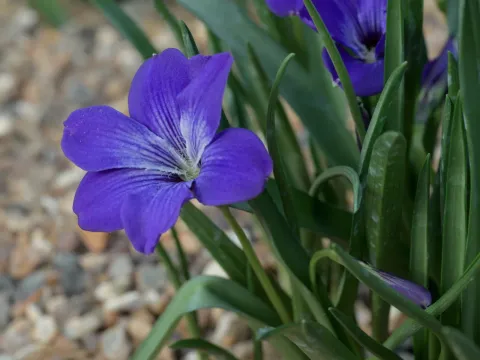
Tecophilaea
Tecophilaea
Tecophilaea is a genus of rare, bulbous perennial plants belonging to the family Tecophilaeaceae. Native to the high Andes of Chile, these plants have evolved to survive in extreme mountainous environments with distinct seasonal temperature changes.
What the section contains
Tecophilaea
The plant features a corm and produces stunning, deep blue flowers that are highly valued in horticultural collections. It behaves as an ephemeral, growing actively during cooler, moist months and entering a deep dormancy during the hot, dry summer season.
Successful cultivation requires extremely well-draining soil, typically a sandy, grit-based mix with very low organic content. Any water retention around the corm will lead to rapid decay, making soil composition the most critical factor for success.
Plants thrive in bright, filtered light and require a cool, ventilated growing space. Because of their specific needs, they are most commonly grown in alpine houses or pots, where environmental factors like moisture and light can be precisely monitored.
Providing a dry dormancy period is essential. During the summer months, the soil must be kept almost completely dry to simulate the natural habitat, which prevents premature sprouting and ensures the long-term vigor of the corm.
The primary threat to Tecophilaea is fungal rot, specifically triggered by excessive humidity or poor soil drainage. If the corm remains damp for extended periods, rapid decay is almost inevitable, making fungicide treatment essential.
Botrytis (gray mold) is a significant risk in poorly ventilated greenhouses. High humidity levels combined with stagnant air provide ideal conditions for this pathogen, which can quickly spread through a collection of plants.
Pests such as spider mites and aphids are known to attack the foliage during the growing season. Early detection and treatment with appropriate pesticides are necessary to prevent the loss of leaf surface and reduced vigor.
Soil-borne pests like nematodes can cause root damage, leaving the plant vulnerable to secondary infections. Using sterilized, fresh potting substrate for every new cycle of growth significantly reduces this risk.
Lack of winter ventilation, even in cool conditions, can invite bacterial infections. The combination of stagnant moisture and lack of light during the winter is detrimental to the health and survival of the corm throughout the year.