
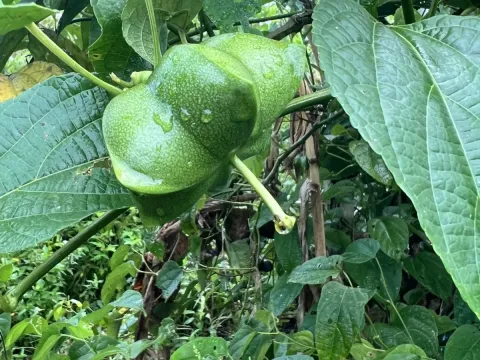
Tetracarpidium
Tetracarpidium
Tetracarpidium is a genus of woody vines belonging to the Euphorbiaceae family. The most prominent species, Tetracarpidium conophorum, is native to the tropical rainforests of West Africa, where it has been utilized for centuries.
What the section contains
Tetracarpidium
The plant thrives in a tropical climate characterized by consistently high temperatures and high humidity levels throughout the year. It does not tolerate prolonged dry spells or extreme temperature fluctuations, making it specific to equatorial regions.
Optimal soil conditions for this crop involve deep, fertile, and well-drained substrates. Heavy clay soils that retain excessive water are unsuitable, as they can cause root rot and significantly inhibit the growth of the vine.
Since Tetracarpidium is a climbing plant, agricultural management requires the provision of support structures. Using trellises or hosting the vines on established forest trees significantly improves yield efficiency and harvesting ease.
The economic value of this crop is primarily found in its seeds, which are rich in high-quality oil. This oil is highly regarded for both culinary purposes and as a raw material for various industrial applications, including high-grade varnishes.
Fungal diseases are the primary threat to Tetracarpidium plantations, particularly under conditions of poor air circulation and high rainfall. Anthracnose-like symptoms on the leaves are common indicators of a disease outbreak.
Insect pests, including various mealybugs and leaf-eating caterpillars, can cause significant damage to the foliage and developing fruits. Integrated pest management is essential to maintain high yields and plant vigor.
Root system issues, often caused by pathogenic soil fungi, require careful soil preparation and sanitation to prevent total plant loss. Ensuring proper drainage is the most effective preventative measure against these threats.
Viral pathogens, which are often spread by sap-sucking insects, pose a long-term risk to plantation health. The use of disease-resistant clones and certified seeds is recommended to reduce the impact of such infections.
Invasive weeds compete with the vines for sunlight and soil nutrients during the early stages of growth. Maintaining a clean cultivation area is critical until the vines establish a dominant canopy.