
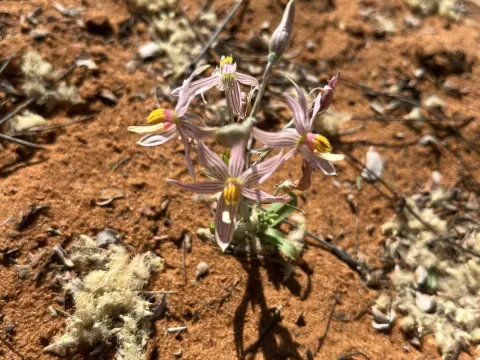
Cyanella
Cyanella
Cyanella is a genus of perennial herbaceous plants belonging to the Melanthiaceae family. Native to the southern regions of Africa, these plants have evolved to thrive in specific environmental niches characterized by distinct seasonal cycles.
What the section contains


Cyanella
Botanically, the plant is a cormous geophyte, meaning it survives the dormant season as an underground storage organ. The foliage usually emerges in a basal rosette, followed by a spike-like inflorescence featuring distinctively colored, often star-shaped flowers.
To cultivate Cyanella successfully, growers must provide well-drained, porous soil to prevent waterlogging, which is lethal to the corms. A sandy or gritty substrate is highly recommended to mimic the plant's natural habitat conditions.
The plant requires significant light exposure to bloom effectively, making it suitable for greenhouses or sunny window sills in non-native climates. It is not frost-tolerant, so it must be protected from freezing temperatures during winter.
In terms of хозяйственное (economic/practical) use, Cyanella is primarily utilized in ornamental horticulture. Its unique aesthetic qualities make it a valuable addition to collections of bulbous plants for greenhouse displays and specialty gardens.
Fungal infections remain the most significant threat to the health of Cyanella. Overwatering or poor drainage often triggers bulb rot, caused by soil-borne pathogens such as Fusarium species, which can rapidly compromise the integrity of the plant.
Common pests include spider mites and aphids, which frequently infest plants grown in indoor environments. These insects extract sap from the foliage, leading to yellowing, distortion, and a overall decline in the plant's physiological health.
Effective management begins with strict sanitation protocols. Using sterile potting media and ensuring proper spacing between plants are essential steps to inhibit the spread of pathogenic fungi and insect pests within a cultivation area.
Chemical control involving systemic insecticides and fungicides should be employed cautiously. It is crucial to monitor plants regularly for the first signs of infestation or disease to intervene before the problem reaches an uncontrollable stage.
Maintaining a balanced environment is the most sustainable approach to protection. Proper air circulation and controlled humidity levels are effective natural deterrents against both fungal colonization and many common ornamental plant pests.