
Petunia x hybrida
Petunia x hybrida hort. ex E. Vilm.
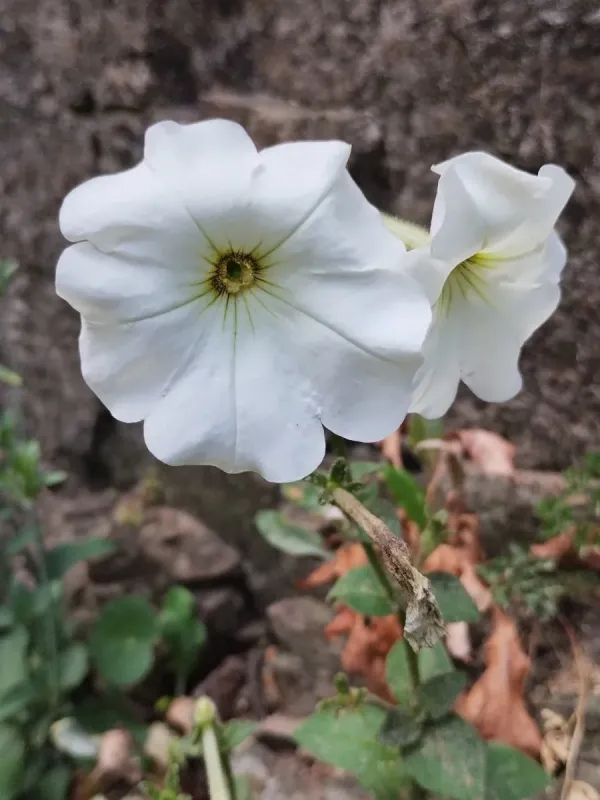
Description
Sowing dates
Petunia x hybrida is a herbaceous perennial belonging to the Solanaceae family, commonly grown as an annual ornamental plant. Sowing is typically carried out in late winter or early spring in seed trays to ensure strong seedlings before the frost ends.
Seeds are tiny and must be sown on the surface of the growing medium without covering them, as they require light to germinate. High humidity and a temperature of 22–24 degrees Celsius are essential during the initial germination phase.
Pricking out the seedlings occurs once the first set of true leaves develops. Providing adequate spacing and high-quality potting mix is crucial to encourage healthy root development before transplanting.
Hardening off is a necessary step that involves gradually exposing the young plants to outdoor conditions over two weeks. This minimizes transplant shock and helps the plants adapt to fluctuating temperatures.
Transplanting into the garden or containers should only occur after the risk of frost has passed, as cold temperatures can severely restrict growth and plant vigor.
Growing requirements
This species is highly photophilous, requiring full sun exposure to produce the best flowering results. Shade usually causes the stems to become leggy and significantly reduces the bloom count.
The soil should be fertile, well-draining, and slightly acidic or neutral. Excellent drainage is vital because waterlogged soil promotes root rot and negatively affects the overall health of the plant.
Frequent fertilization with potassium-rich nutrients is required throughout the growing season to maintain vigorous flowering. Lack of nutrients leads to foliage yellowing and a decline in aesthetic quality.
Optimal growth occurs at temperatures between 20 and 25 degrees Celsius. During extreme heat, consistent moisture management is key to preventing wilting and ensuring the plants remain in good condition.
Petunias are widely used in commercial landscape design for hanging baskets, window boxes, and colorful flower borders due to their extended blooming period.
Main diseases and pests
Powdery mildew is a common fungal disease that appears as a white coating on leaves during periods of high humidity. Improving airflow around the plants helps to mitigate this risk significantly.
Gray mold (Botrytis) can affect plants in cool, damp conditions. Affected parts of the plant must be pruned away immediately, and fungicide applications may be necessary to protect healthy tissue.
Common pests include aphids, spider mites, and whiteflies, which feed on the sap and cause leaf distortion. Targeted insecticidal treatments are effective for maintaining plant health.
Chlorosis is frequently observed when soil pH is incorrect or iron uptake is blocked, requiring the application of micronutrient supplements to restore the plant's green color.
Proper sanitation practices, such as removing fallen leaves and avoiding overhead watering, significantly decrease the likelihood of fungal and bacterial infections.