
Petunia x atkinsiana
Petunia x atkinsiana D. Don
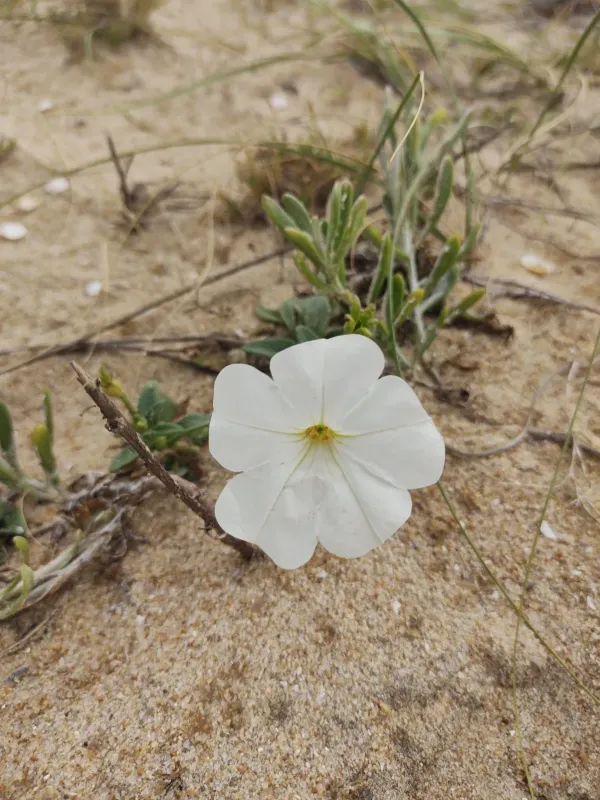
Description
Sowing dates
Sowing of Petunia x atkinsiana seeds typically begins in late winter or early spring to allow enough time for the seedlings to develop strong root systems before planting outdoors.
The seeds are tiny and require surface sowing on a fine, moist potting mix. They should not be covered with soil, as they need light for optimal germination.
Maintaining a consistent environment with high humidity and temperatures between 22°C and 25°C is essential for uniform seedling emergence.
Once true leaves appear, seedlings are transplanted into individual containers. This process requires great care to avoid damaging the delicate root architecture.
Hardening off the plants is a critical step before moving them to the final outdoor location, ensuring they adjust to outdoor temperature fluctuations.
Growing requirements
Belonging to the Solanaceae family, this hybrid petunia is a result of complex cross-breeding. Its ancestors are native to the tropical regions of South America.
These plants thrive in full sun conditions, requiring at least six hours of direct light daily to produce the characteristic abundance of blooms.
Well-drained, fertile soil with an slightly acidic to neutral pH level is ideal. Adequate drainage is the most important factor in preventing root diseases.
Regular fertilization is necessary, as hybrid petunias are heavy feeders. High-phosphorus fertilizers are recommended to sustain continuous flowering throughout the season.
Consistent watering is required, but the soil should be allowed to dry slightly between waterings to prevent oxygen starvation in the root zone.
Main diseases and pests
Powdery mildew is a common fungal disease that affects foliage when humidity levels are high and air circulation is poor among the plants.
Botrytis blight, or grey mold, frequently occurs in overly wet conditions, causing flowers to rot and decay rapidly.
Pests such as aphids, spider mites, and whiteflies often target young shoots and leaves, necessitating integrated pest management approaches.
Sanitation is key; removing dead plant material and ensuring adequate space between plants helps mitigate the spread of pathogens.
- Ensuring proper spacing for air circulation.
- Monitoring leaves for signs of pest activity.
- Applying preventive fungicides in humid climates.