
Limosella acaulis
Limosella acaulis
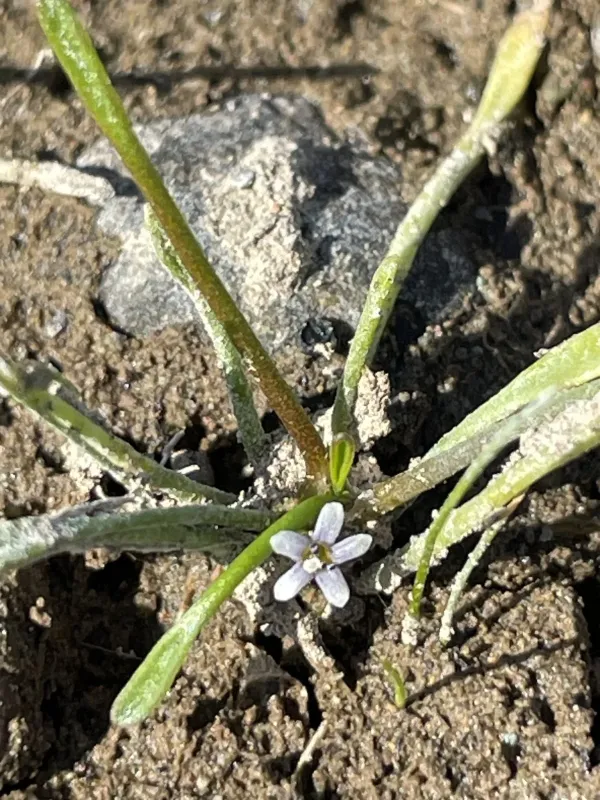
Description
Growing requirements
Limosella acaulis is a member of the Scrophulariaceae family. It is a perennial herbaceous plant native to South America, particularly common in the moist and sandy habitats of Chile and Argentina.
Botanically, it is recognized by its rosette-forming leaves and lack of distinct aerial stems. The plant spreads primarily through stolons, allowing it to create dense, low-growing mats that cover damp surfaces effectively.
The plant requires high levels of soil moisture to thrive. It is typically found in wet meadows, muddy shorelines, and saturated sandy banks, making it an excellent candidate for marginal aquatic gardens.
Regarding light requirements, Limosella acaulis prefers full sun exposure. Adequate light is essential for maintaining a compact growth habit and preventing the leaves from becoming excessively elongated or weak.
The soil should be consistently moist, acidic to neutral in pH, and rich in organic matter. While it prefers saturation, the plant benefits from well-aerated substrates to ensure root health and prevent anaerobic decay.
Main diseases and pests
Fungal pathogens represent a significant threat to Limosella acaulis, particularly in stagnant water environments where water circulation is insufficient to supply oxygen to the root zone.
Pests such as aphids may occasionally infest the plants when they are grown in less-than-ideal conditions, specifically when the soil is allowed to dry out, causing stress to the plant's vascular system.
Competitive pressure from fast-growing algae and invasive aquatic weeds can easily overwhelm the slow-growing mats of Limosella, requiring regular manual removal of competing vegetation.
Maintaining proper water quality is critical, as high levels of pollutants or chemical imbalances in the water can lead to rapid leaf yellowing and eventual decline of the plant population.
Cultural prevention remains the primary method for managing threats. Keeping the environment clean, ensuring adequate light, and monitoring the hydration levels of the substrate are the best defenses against pests and disease.