
Water mudwort
Limosella aquatica
Description
Growing requirements
Limosella aquatica, commonly known as water mudwort, is a small annual plant belonging to the Scrophulariaceae family that thrives in damp, muddy, and periodically flooded environments.
Its natural range covers vast temperate regions across the Northern Hemisphere, where it colonizes shorelines, wet meadow depressions, and the margins of ponds and streams.
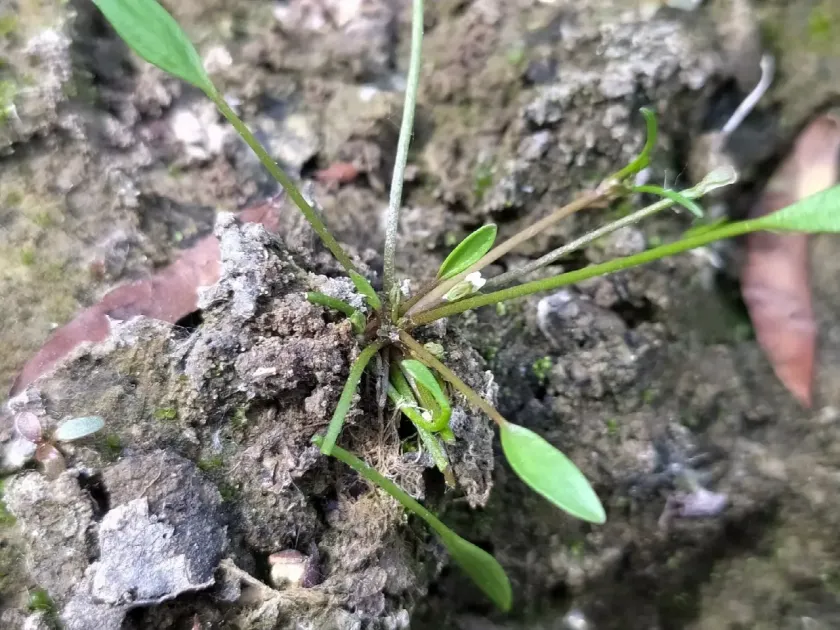
The plant exhibits a rosette growth form with succulent, spatulate leaves, an evolutionary adaptation that allows it to persist in substrates that are often saturated with water.
Regarding soil requirements, mudwort prefers nutrient-rich silt or sandy mud, often acting as a pioneer species in areas where receding water levels expose fresh soil surfaces.
Environmental conditions are crucial; it requires high light intensity for optimal flowering and seed production, as shade-tolerant competitors quickly suppress its development.
Main diseases and pests
As a wild-growing aquatic plant rather than a cultivated crop, it lacks specific agricultural pests, yet it remains susceptible to general environmental stressors in wetland ecosystems.
Fungal diseases related to high humidity and water stagnation, such as various species of mildew, can occasionally infect the foliage during prolonged warm and wet periods.
Herbivory by aquatic invertebrates, mollusks, and certain insect larvae can occur, though these rarely cause significant damage to the overall population density.
The primary threat to this species is the alteration of hydrological cycles and the chemical runoff from adjacent agricultural lands, which can drastically alter its niche.
Land development and large-scale drainage projects pose the most severe risk to the persistence of Limosella aquatica, as it relies on specific, often ephemeral, moisture conditions.