
Xantolis tomentosa
Xantolis tomentosa
Description
Growing requirements
Xantolis tomentosa is a notable woody plant species belonging to the Sapotaceae family. It is naturally distributed throughout the tropical regions of Asia, primarily found in the forests of India and Myanmar, where it thrives under high-temperature conditions.
This crop requires deep, well-drained soil with high fertility to support its structural development. While it is adapted to tropical environments, it performs best in areas where annual rainfall is seasonal, allowing the plant to undergo a period of physiological dormancy.
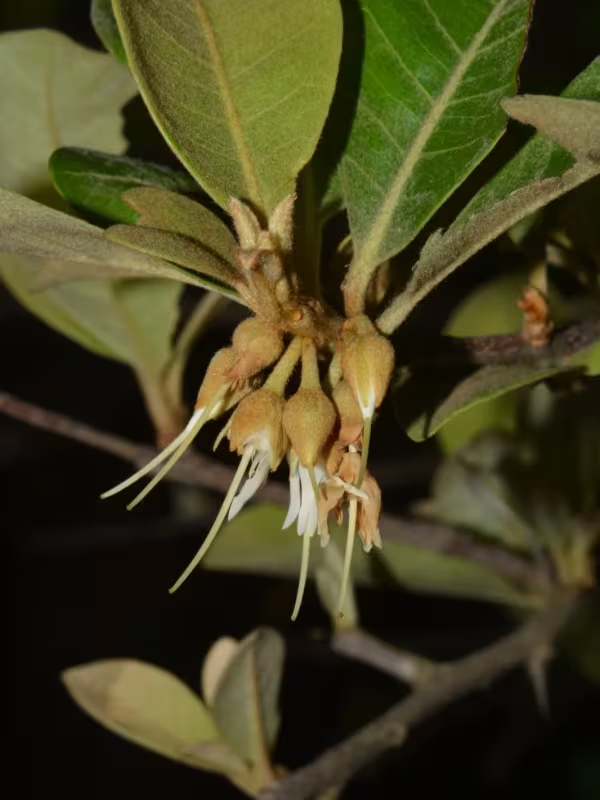
Botanically, the plant is identified by its dense tomentose (woolly) pubescence on the underside of the leaves and young shoots, which serves as a protective layer against environmental stress. The branches are typically thorny, which acts as a deterrent to browsers.
The economic importance of Xantolis tomentosa lies in its timber, which is appreciated for its hardness and durability in carpentry. Additionally, the fruit is utilized by local communities, and the species is sometimes integrated into agroforestry systems.
Cultivation practices include managing spacing to ensure adequate airflow and light penetration, which is vital to prevent fungal accumulation. Young plants require consistent monitoring of moisture levels to establish a robust root system before full independence from irrigation.
Main diseases and pests
The primary threats to this species include various fungal pathogens that flourish in high-humidity environments, potentially causing leaf spot or root rot. Additionally, stem-boring insects present a consistent challenge, necessitating vigilant pest management strategies during the active growing season.