
Vitellariopsis ferruginea
Vitellariopsis ferruginea
Description
Growing requirements
Vitellariopsis ferruginea is a notable species within the Sapotaceae family, native to tropical regions where it serves as an important component of the local ecosystem.
This species thrives in warm tropical climates. It requires consistent humidity levels and avoids temperature extremes, making it highly dependent on its specific geographical range.
Soil quality is of paramount importance; the plant necessitates well-drained, nutrient-rich soils to prevent the development of root diseases and ensure vigorous growth.
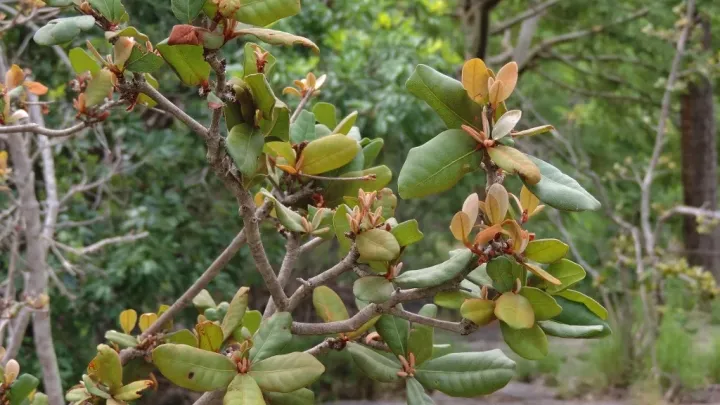
Botanically, the tree is characterized by its distinct foliage with rust-colored hairs on the underside, which provides a unique defense mechanism against certain environmental stressors.
From an agricultural management perspective, providing adequate space and ensuring soil aeration are essential practices for maintaining the longevity and health of the trees.
Main diseases and pests
The primary threats to Vitellariopsis ferruginea include various fungal pathogens that target the roots, especially in soils that lack proper drainage characteristics.
Insect pests such as scale insects and aphids may cause damage to young shoots, potentially affecting the growth rate and overall vitality of the tree specimen.
Environmental stress, particularly prolonged droughts or unseasonal heavy rains, significantly impacts the plant's natural immune response to biological threats.
Integrated pest management strategies should focus on preventive measures, including regular health assessments of the canopy and soil moisture control.
Maintaining the site clean and free of diseased plant debris is a critical component of professional agronomic practice when managing this specific culture.