
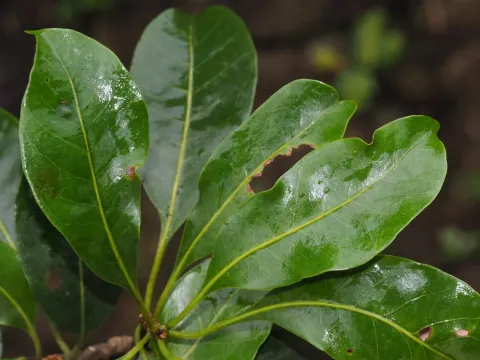
Madhuca pasquieri
Madhuca pasquieri
Madhuca pasquieri is a prominent evergreen tree species belonging to the Sapotaceae family. Native to the tropical regions of Southeast Asia, particularly Vietnam and southern China, it is highly valued for its ecological and economic roles.
What the section contains
Madhuca pasquieri
The tree thrives in tropical climates characterized by high ambient humidity and consistently warm temperatures. It is highly sensitive to frost, which limits its commercial cultivation to specific tropical and subtropical zones.
Optimal growth requires fertile, well-drained soils rich in organic matter. While the tree appreciates consistent moisture, it is crucial to avoid waterlogged conditions, which can lead to rapid root decay and poor overall health.
Young seedlings of Madhuca pasquieri benefit from shaded nursery conditions to protect them from excessive direct sun. As the trees mature, they require significant light exposure to foster vigorous crown development and successful fruit production.
Agrotechnical management involves regular soil aeration and the use of mulch to retain surface moisture. Given its natural adaptation to high-rainfall environments, supplemental irrigation is often necessary during the initial stages of establishment in drier periods.
The primary economic output of Madhuca pasquieri is its high-quality timber. Known for its density and exceptional resistance to rot and insect infestation, the wood is frequently used for high-end construction and furniture production.
Beyond timber, the seeds of the tree are harvested for their oil content. This oil is versatile, finding applications in the food industry as well as in the manufacture of cosmetic and pharmaceutical products due to its emollient properties.
In addition to raw material production, the tree serves a crucial function in sustainable land management. Its presence helps prevent soil erosion and contributes to the restoration of degraded forest landscapes.
The long-term yield of the species is considered high, provided that the trees are managed in accordance with sustainable forestry practices. It is a long-lived tree that continues to provide resources over decades.
Strategic harvesting of both fruits and timber ensures a balanced economic return, making Madhuca pasquieri an attractive candidate for agroforestry projects in its native distribution range.
Fungal infections of the root system represent the most significant threat to the health of the trees, often resulting from poor soil drainage or excessive irrigation management.
Stem-boring insects and foliage-eating pests can significantly impact wood quality and photosynthetic capacity. Proactive monitoring is essential to prevent infestations from spreading through the canopy of the plantations.
Pathogen risk is effectively managed through strict sanitation practices, including the removal of dead or decaying organic matter from the plantation floor and ensuring proper spacing between trees.
Biological pest control methods are preferred to maintain the integrity of the oil extracted from the fruits. Chemical interventions should be minimized to avoid potential contamination of the harvested product.
Regular health assessments and appropriate pruning techniques help maintain the resilience of the trees against opportunistic diseases, ensuring the longevity of the stand.