
Isonandra montana
Isonandra montana
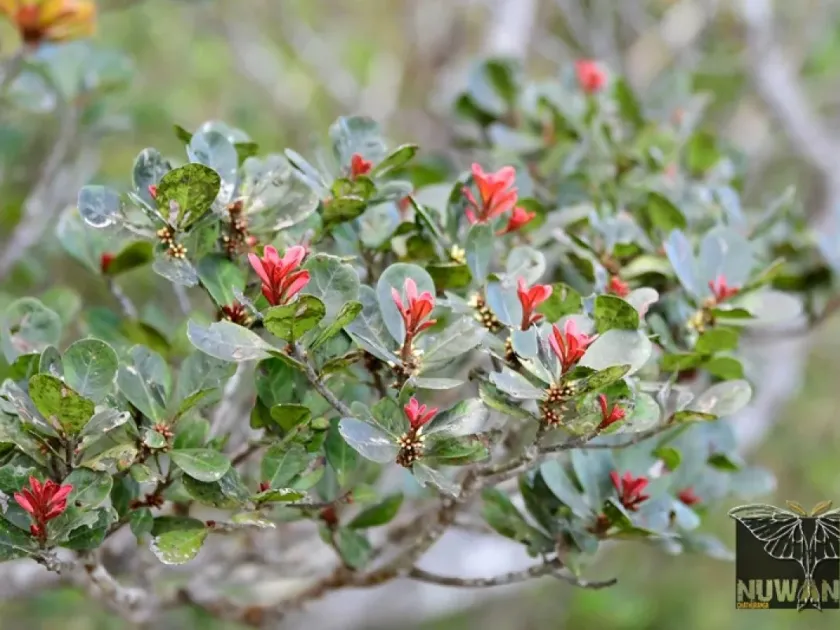
Description
Growing requirements
Isonandra montana is a woody plant species classified within the Sapotaceae family. This evergreen tree is native to the cloud forests of Sri Lanka, where it forms an integral part of the local montane ecosystems, thriving in high-humidity environments.
The geographic range is primarily limited to the high-altitude regions of Sri Lanka. The tree requires stable, moist tropical conditions with significant annual precipitation to sustain its growth cycle and physiological activities throughout the year.
Botanically, it is recognized by its dense wood structure and specific leaf morphology characteristic of the Sapotaceae family. The root system is highly adapted to montane soil profiles, providing stability on steep slopes and efficient nutrient uptake in acidic, well-drained forest soils.
The economic value of this species lies in its high-quality timber, which has been historically utilized for construction and artisanal purposes. Its durable wood properties make it a subject of interest for sustainable forestry practices within its native range.
Cultivation practices for Isonandra montana focus on habitat preservation rather than industrial cropping. Success in propagation requires mimicking the specific microclimatic conditions of the montane forest floor, ensuring proper shade and soil moisture levels for early-stage development.
Main diseases and pests
The primary threat to Isonandra montana is habitat loss caused by deforestation and land conversion. As a species adapted to a very narrow ecological niche, it is highly vulnerable to any significant modification of its natural environment.
Pathological risks include various fungal infections, which are common in dense, moisture-rich tropical environments. These pathogens can weaken the wood structure and impede the transport of water and nutrients within the vascular system.
Pests such as wood-boring insects present a danger to the long-term health of the trees, particularly in stands that are already weakened by environmental stressors. Management of these pests is critical to maintaining the vitality of the local population.
Invasive plant species pose a significant threat by outcompeting Isonandra seedlings for vital resources like sunlight and soil nutrients. Effective management of the understory is required to allow the species to successfully regenerate naturally.
Environmental stressors, specifically erratic rainfall patterns due to broader climatic changes, pose a risk to the species' overall health. Reduced precipitation impacts the tree's growth rate, making it more susceptible to secondary environmental pressures.