
Isonandra lanceolata
Isonandra lanceolata
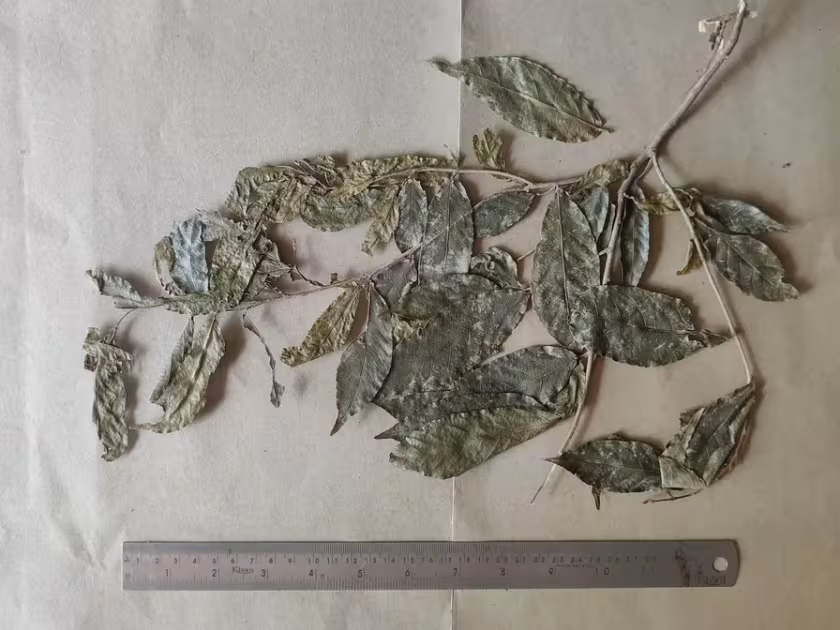
Description
Growing requirements
Isonandra lanceolata belongs to the Sapotaceae family. This evergreen woody plant is native to the tropical forests of South Asia.
The crop prefers a humid tropical climate with uniform rainfall distribution throughout the year. High temperatures without significant fluctuations are necessary for optimal growth.
The plant thrives in well-drained forest soils rich in organic matter. It is sensitive to waterlogging and requires stable substrate moisture levels.
In its natural habitat, the species exists within dense tropical forests, where competition for sunlight is a primary factor in crown development.
Agronomic practices for this species involve establishing forest plantations under conditions that mimic natural tropical ecosystems.
Yield
The economic utilization of Isonandra lanceolata focuses primarily on the harvesting of high-quality timber. Biomass accumulation is a long-term process requiring several decades.
The wood of this plant is valued for its density and texture, which determines its application in the production of furniture and construction materials.
Yields depend directly on planting density and the quality of care provided during the early stages of seedling development in nurseries.
In addition to timber, some representatives of the Isonandra genus are studied for the potential extraction of latex or other secondary metabolites.
The economic efficiency of cultivating this crop is constrained by the long production cycle typical of tropical forest tree species.
Main diseases and pests
The main threats to plantations include fungal infections that thrive in the high humidity of tropical environments.
Pests, such as wood borers and various species of bark beetles, can cause significant damage to young trees by attacking the cambium layer.
Anthropogenic factors, including illegal logging and the degradation of natural habitats, pose critical threats to the preservation of the species.
Soil erosion caused by improper plantation management can lead to reduced growth rates and weakened root systems.
Competition from invasive plant species often suppresses the development of saplings during the first few years after planting.