
Azolla
Azolla
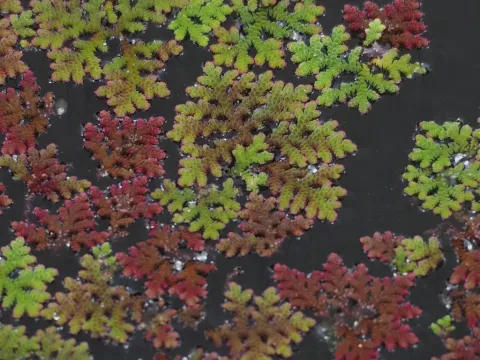
Azolla is a genus of floating aquatic ferns belonging to the family Salviniaceae. This plant does not propagate via seeds but reproduces vegetatively through the fragmentation of its fronds.
What the section contains


Azolla
The ideal time to initiate cultivation is late spring, when water temperatures consistently stay above 20°C. Introducing a small amount of parent material into a calm water body is sufficient to start the population.
In nature, Azolla colonizes stagnant or slow-moving freshwater bodies, rapidly covering the surface. Commercial cultivation is typically carried out in shallow nursery ponds or integrated into rice paddy systems.
The cultivation process requires monitoring the density of the coverage, as excessive growth can reduce dissolved oxygen levels. Periodic thinning is necessary to maintain vigorous growth of the younger plants.
A biological hallmark of Azolla is its symbiosis with the cyanobacteria Anabaena azollae, which reside in leaf cavities. This partnership allows the plant to fix atmospheric nitrogen, making it self-sustaining in terms of nitrogen requirements.
For successful growth, Azolla requires sites protected from strong winds, which can damage the fragile fronds. Water depth is not critical, but maintaining a level between 5 and 15 centimeters is optimal for thermal regulation and nutrient availability.
Temperature is a decisive factor, with the best growth rates occurring between 15°C and 30°C. Below 5°C, growth slows significantly, and freezing temperatures can destroy the entire crop unless spores have been produced.
The plant has specific mineral requirements, including trace amounts of phosphorus, magnesium, and iron, which are essential for supporting the symbiotic nitrogen fixation process.
The pH of the water should remain within the slightly acidic to neutral range of 6.0–7.5. Deviations from these parameters can inhibit growth and harm the symbiotic relationship with cyanobacteria.
Azolla prefers partial shade or diffused light. Intense direct sunlight during peak hours can cause overheating and bleaching (chlorosis) of the leaves, reducing the overall biomass yield.
Azolla is one of the fastest-growing plants in the world. Under ideal conditions, its biomass can double every 3 to 5 days, ensuring remarkably high productivity on a relatively small surface area.
Industrial yields can range from 10 to 30 tons of dry matter per hectare annually. This production level heavily depends on the availability of essential nutrients and the length of the growing season.
The rapid vegetation cycle allows for frequent harvests, making it a highly reliable source of protein for livestock and poultry, often significantly reducing feed costs.
Due to its high nitrogen content, Azolla is an exceptional biofertilizer. When incorporated into the soil, it decomposes rapidly, releasing nitrogen in a form easily absorbed by subsequent crops.
To achieve maximum yield, regular applications of phosphorus-based fertilizers are recommended, as phosphorus is usually the limiting nutrient in artificial aquatic environments.
The primary pests affecting Azolla are various lepidopteran larvae (moth caterpillars), which can rapidly consume large areas of the crop if left unchecked.
Pathogenic fungi and bacteria pose a threat in conditions of extreme crowding or stagnant airflow, often leading to rapid decay and rot of the plant material.
Competition from other fast-growing aquatic weeds, such as duckweed or water hyacinths, can displace Azolla if the pond is not properly managed.
Sudden changes in water quality, particularly contamination with herbicides or heavy metals, can lead to the total collapse of the Azolla population.
- Leaf-eating moth caterpillars
- Fungal infections under dense conditions
- Pesticide contamination
- Competition from invasive aquatic plants
Harvesting is performed mechanically using fine-mesh nets or specialized rakes to skim the fern from the water surface. The harvested material is then washed to remove any sediment or debris.
Freshly harvested Azolla can be fed directly to livestock or fish. If long-term storage is required, it can be dried in the shade to preserve its protein content and prevent degradation.
When used as a fertilizer, Azolla is typically tilled into the soil of rice paddies or incorporated into compost heaps to improve soil fertility and nitrogen availability.
It is important to leave approximately 10–20% of the biomass in the pond to ensure rapid regeneration for the next harvest cycle. Over-harvesting will significantly extend the recovery time.
Harvesting techniques should be mindful of water management infrastructure to ensure that irrigation or drainage systems remain unobstructed during the process.