
Azolla imbricata
Azolla imbricata
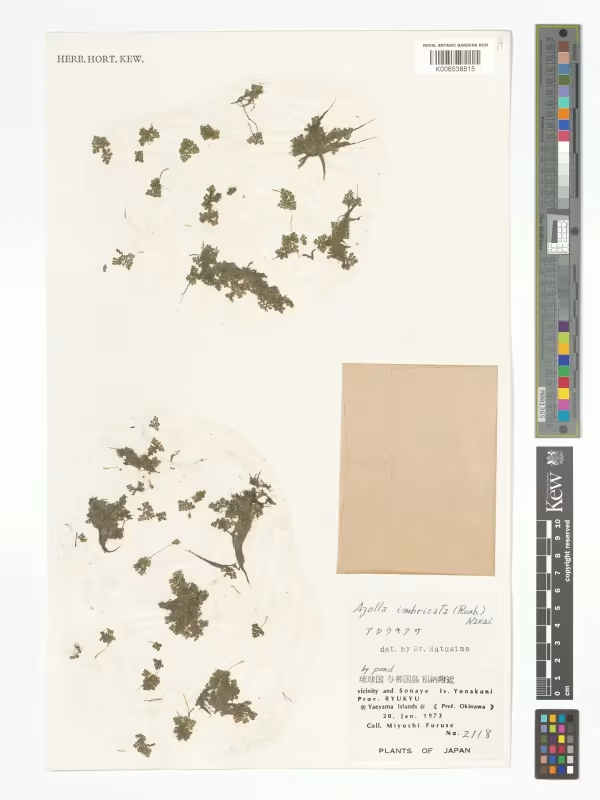
Description
Sowing dates
Azolla imbricata, a member of the Salviniaceae family, is a small aquatic fern that propagates primarily through vegetative fragmentation. Sowing is performed by introducing fresh starter material into static or slow-moving water bodies.
The ideal time for propagation begins when water temperatures reach a consistent +18...+20 degrees Celsius. This temperature range is crucial for stimulating the symbiotic relationship between the fern and the Anabaena azollae cyanobacteria.
In professional agricultural settings, specifically in paddy fields, Azolla is introduced weeks before planting the main crop. This lead time allows the fern to establish a dense mat that effectively suppresses weeds.
Propagation is rapid; under optimal conditions, the water surface can be completely covered within a week. This rapid growth cycle minimizes the need for frequent re-seeding throughout the season.
For intensive farming, shallow water bodies with depths between 10 and 30 centimeters are preferred, as these facilitate easier management and thermal regulation for the fern population.
Growing requirements
Azolla imbricata has specific light requirements, favoring bright, direct sunlight. Sufficient light intensity is essential for the symbiotic cyanobacteria to perform high levels of nitrogen fixation efficiently.
The temperature range of +20 to +30 degrees Celsius is considered optimal for growth. While it can survive in wider ranges, temperatures below +10 degrees significantly hinder its development and nitrogen assimilation.
Water chemistry, particularly pH levels, should be maintained between 6.0 and 7.5. High salinity or extreme pH deviations can disrupt the delicate balance of the symbiotic relationship within the fern tissues.
Mineral supplementation is often required, as Azolla consumes phosphorus and potassium rapidly. Regular applications of superphosphate are a standard practice in commercial Azolla production to maintain high biomass yields.
- Light intensity: High.
- Temperature: +20 to +30°C.
- pH range: 6.0–7.5.
- Required minerals: Phosphorus and potassium.
Yield
The yield potential of Azolla imbricata is exceptional, with the ability to double its biomass every 3 to 5 days under favorable environmental conditions. This high turnover rate allows for frequent harvests.
As a nutritional source, Azolla is highly valued for its high protein content, which can reach up to 30% of its dry weight. This makes it an ideal, cost-effective supplement for livestock and fish farming.
The nitrogen-fixing capacity of the plant is immense, contributing significantly to soil fertility. Incorporating Azolla into the soil can provide substantial nitrogen levels, reducing the need for synthetic nitrogenous fertilizers.
Economic viability is high due to the low initial setup costs. The ongoing maintenance requires only regular monitoring of the water level and proper biomass harvest timing.
Consistent management ensures that the plant does not become overcrowded, which could otherwise lead to oxygen depletion in the water and a subsequent drop in the overall biomass quality.
Main diseases and pests
Lepidoptera larvae, specifically various moth species, are the primary pests that feed on Azolla fronds. If left unmonitored, these pests can consume significant portions of the standing crop within days.
Fungal diseases can occur if water circulation is poor or if the plant remains waterlogged without adequate ventilation. Signs include discoloration of the fronds and a breakdown of the structural integrity.
Filamentous algae can act as invasive competitors, shading out the Azolla and depriving it of essential nutrients. Keeping the water clean and clear is the best way to prevent algae dominance.
Chemical control must be avoided where possible, as Azolla is highly sensitive to most herbicides. Integrated Pest Management (IPM) focusing on manual removal or biological controls is recommended.
Proactive management of the water environment, including periodic flushing, helps maintain the health of the fern and prevents the accumulation of pathogens.
Harvesting
Harvesting is ideally timed when the Azolla mat reaches maximum density, completely covering the water surface and effectively blocking light from reaching the substrate below.
Small-scale operations use manual netting for harvesting, while larger agricultural enterprises utilize floating mechanical rakes or specialized suction equipment to collect the biomass efficiently.
Once harvested, the Azolla should be processed quickly, as its high moisture content (approx. 90%) makes it highly perishable. If intended for feed, it should be rinsed and dried promptly.
In fertilization scenarios, the Azolla is often simply plowed directly into the soil after the water is drained, providing immediate nutrient availability to the following crop cycle.
Strategic harvesting helps prevent senescence in the population, ensuring that the remaining fragments can continue to grow vigorously for the duration of the agricultural season.