
Azolla pinnata
Azolla pinnata
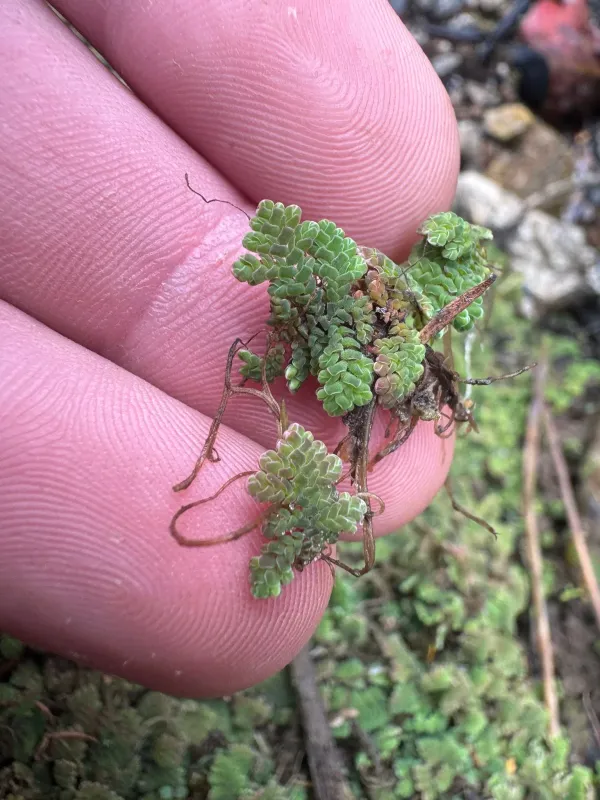
Description
Sowing dates
Azolla pinnata is an aquatic fern belonging to the Salviniaceae family. The plant is not traditionally sown as it reproduces primarily through vegetative fragmentation of the fronds.
Cultivation begins by introducing parent material into ponds or flooded fields. The optimal time for inoculation is when stable warm weather arrives, with water temperatures consistently above +20°C.
Initial inoculation density is crucial for rapid coverage of the water surface. Using clean, pathogen-free fragments ensures a faster establishment and denser mat formation across the water body.
Under tropical and subtropical conditions, the growth rate is exponential. The biomass can double in size within a matter of 3 to 5 days, depending on nutrient availability and light intensity.
Continuous monitoring of the surface area is required to manage the population. If the mat becomes too dense, the oxygen levels in the water may fluctuate, necessitating partial harvesting.
Growing requirements
This fern is highly dependent on abundant sunlight to fuel its rapid photosynthesis. It thrives in calm, stagnant, or slow-moving waters where the delicate fronds are not subjected to physical stress.
Specific water chemistry is required for successful growth. The plant prefers a pH range between 5.0 and 7.5, and it requires adequate levels of phosphorus to maintain vigorous development.
A distinctive biological feature of Azolla pinnata is its symbiotic relationship with the cyanobacterium Anabaena azollae. This microbe fixes atmospheric nitrogen, providing essential nutrients for the fern.
The ideal metabolic temperature for this species ranges from +25°C to +30°C. While it can withstand minor deviations, extreme cold or intense heat can significantly inhibit its expansion.
Physical protection from strong winds is essential. Wind can push the fern mats toward the banks, leading to clumping and potential damage to the structure of the colonies, which hinders growth.
Yield
Azolla pinnata is recognized as one of the most productive aquatic plants in terms of biomass accumulation. Its growth efficiency makes it a valuable asset in sustainable cropping systems.
In ideal environments, a single hectare can produce between 30 to 50 tons of fresh biomass annually. This output provides a massive source of organic nitrogen for agricultural land.
The nitrogen-rich composition of the plant makes it a direct substitute for chemical fertilizers. When incorporated into the soil, it provides readily available nutrients for crops like rice.
Yield is sustained through periodic harvesting. Regularly removing a portion of the population prevents overcrowding and maintains a high rate of nitrogen fixation by the younger colonies.
The potential for high-volume yield depends on maintaining the purity of the water. High-quality water sources without industrial pollutants ensure the maximum biomass potential is reached.
Main diseases and pests
Insect pests, particularly larvae of certain moths, pose the greatest threat to Azolla cultivation. These pests can rapidly defoliate entire ponds if left unchecked by integrated pest management.
Fungal diseases may develop under conditions of poor water circulation or extremely high humidity. This is usually observed as decay and discoloration of the floating fern mats.
Competition from invasive aquatic weeds can lead to the suppression of Azolla. Regular maintenance and manual clearing of competing flora are necessary to maintain a healthy and productive colony.
Nutrient deficiencies, such as a lack of iron or magnesium, can cause chlorosis. Weakened plants are significantly more susceptible to environmental stress and secondary pathogen attacks.
Water contamination from pesticides or heavy metals can wipe out an entire population of the fern. Maintaining clean, uncontaminated water is a prerequisite for successful cultivation.
Harvesting
Harvesting is a continuous practice during the growing season. It involves skimming the surface of the water to remove excessive biomass while leaving enough material for regeneration.
For livestock feed, the harvested Azolla is washed and often partially dried. It is highly valued as a protein-rich supplement for poultry, swine, and fish, enhancing their overall health.
When used as a green manure, the plants are incorporated into the mud of rice paddies. This method provides a steady release of nitrogen, significantly improving rice crop yields.
Fresh biomass has a short shelf life, so it is often processed into silage or dried into a powder. These storage methods extend the utility of the crop throughout the year.
Mechanical harvesting systems, such as specialized nets or conveyor belts, significantly increase efficiency. Effective harvesting ensures a consistent supply of nutrients and keeps the pond productive.