
Azolla filiculoides
Azolla filiculoides
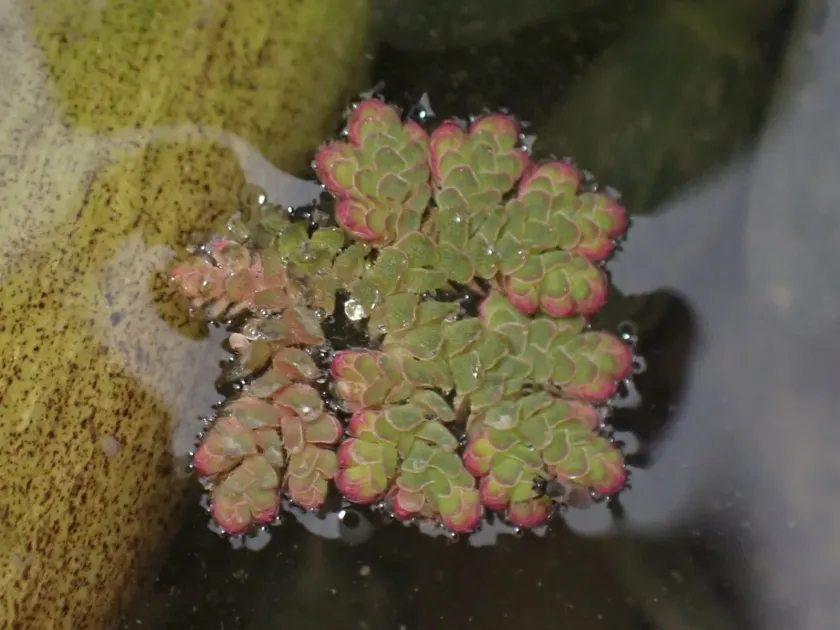
Description
Sowing dates
Azolla filiculoides is a small, free-floating aquatic fern belonging to the Salviniaceae family. The plant reproduces vegetatively with remarkable speed, allowing it to rapidly colonize suitable water surfaces.
Commercial cultivation does not require traditional seed sowing. Instead, stock biomass is introduced into ponds or rice paddies during the spring season when water temperatures become stable and warm.
For optimal growth, water temperatures should remain between 18 and 28 degrees Celsius. While the plant needs sufficient light for photosynthesis, direct and intense midday sun can sometimes inhibit its development.
The rate of proliferation is heavily dependent on the availability of nutrients, especially phosphorus, which acts as a limiting factor for the plant's symbiosis with the nitrogen-fixing cyanobacteria Anabaena azollae.
In tropical climates, the crop grows year-round, whereas in temperate regions, it must be overwintered in climate-controlled indoor ponds to maintain the parent culture for the next season.
Growing requirements
Azolla is sensitive to the pH levels of the water, with an optimal range between 6.0 and 7.5. Fluctuations outside of this range can significantly slow down the symbiotic activity and biomass production.
The plant thrives in still or slow-moving water bodies. High levels of chlorine or the presence of heavy metals are detrimental to the fern, necessitating clean, uncontaminated water sources for healthy growth.
To maximize nitrogen content in the plant tissues, the water should be periodically supplemented with mineral compounds containing phosphorus, potassium, and magnesium.
Protection from strong winds is essential, as wind can push the Azolla mats against the banks, causing them to dry out or sustain physical damage to their delicate fronds.
While light is crucial, excessive exposure can cause the plants to turn a reddish color due to anthocyanin accumulation, which is often a visible indicator of environmental stress.
Yield
Azolla is incredibly productive, with biomass capable of doubling every 3 to 5 days under ideal conditions. This makes it one of the most efficient plants for organic matter production.
A single hectare of water surface can yield dozens of tons of green biomass per season. The rapid turnover rate allows for frequent harvesting, ensuring continuous supply throughout the growth period.
The primary agricultural use is as a green manure for rice crops. By incorporating the biomass directly into the soil, farmers provide a sustainable source of nitrogen, reducing the need for chemical fertilizers.
Additionally, Azolla is valued in livestock production as a high-protein feed supplement. Dried Azolla can contain up to 30% crude protein, making it an excellent alternative to soy-based feed components.
In aquaculture, it serves as a cost-effective food source for herbivorous fish and waterfowl, helping farmers lower production costs while improving the overall health of the livestock.
Main diseases and pests
The primary pests affecting Azolla are various aquatic insect larvae, such as water moth caterpillars, which can decimate an entire pond population very quickly if left unmonitored.
Fungal diseases are a common risk when the plant mat becomes too dense. Poor gas exchange in thick layers leads to stagnant conditions, promoting rot and decay in the lower parts of the biomass.
Water pollution, particularly from industrial runoff containing chemical toxins, can lead to chlorosis and the collapse of the entire population, posing a significant threat to commercial operations.
Competition from invasive weeds like duckweed (Lemna) can suppress Azolla growth. Regular maintenance and manual removal of unwanted vegetation are necessary to maintain monoculture purity.
Extreme weather events, such as heavy hail or sudden frosts, can mechanically destroy the delicate floating mats, creating entry points for secondary bacterial or viral infections.
Harvesting
Harvesting is performed using fine-mesh nets or mechanical skimmers to collect the biomass from the water surface. Efficiency depends on proper equipment and a structured collection schedule.
For fertilizing purposes, the biomass is incorporated into the soil immediately after collection. This practice prevents nitrogen loss due to ammonia volatilization under the sun.
When intended for feed, the harvested biomass should be rinsed in clean water to remove mud and debris, and can then be fed fresh or preserved through drying.
In large-scale operations, solar dryers are used to rapidly reduce moisture content, preserving the nutrient profile and preventing the rapid spoilage of the crop.
Dried Azolla must be stored in cool, well-ventilated areas, as its high hygroscopic nature makes it prone to rapid mold development if kept in humid conditions.