
Japanese azolla
Azolla japonica
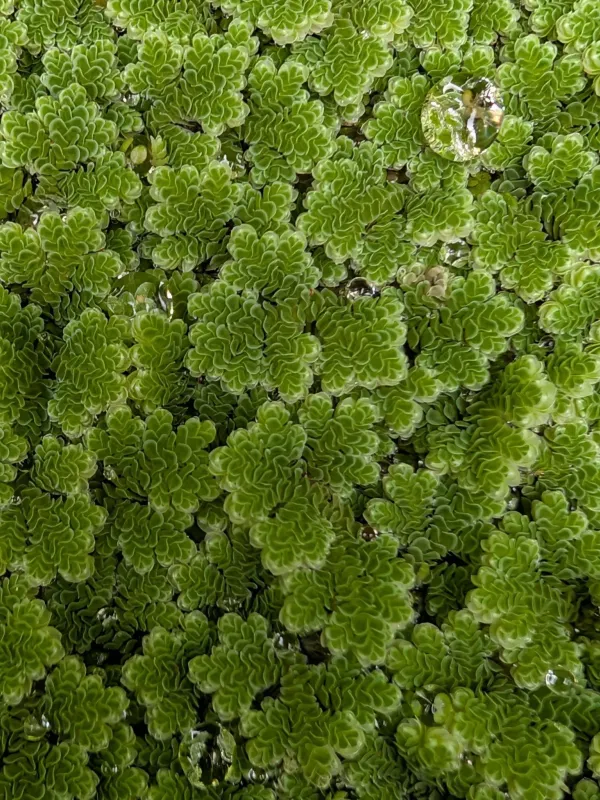
Description
Sowing dates
Cultivation of Japanese Azolla begins by introducing vegetative fragments into calm, shallow bodies of water during the spring season.
The water temperature should consistently remain between 18°C and 25°C to ensure successful establishment and rapid colonization.
Inoculation density is usually set at a rate that allows the fern to spread and cover the surface within a few weeks.
Rice paddy systems often integrate this plant by introducing it prior to rice planting to enhance soil nitrogen levels naturally.
Effective propagation requires minimal water turbulence to prevent the plants from washing away or piling up too densely.
Growing requirements
Japanese Azolla, a member of the Salviniaceae family, thrives in freshwater environments with neutral or slightly acidic pH levels.
The plant possesses a symbiotic relationship with Anabaena azollae, a cyanobacterium that requires adequate phosphorus to fix atmospheric nitrogen.
Optimal growth conditions involve moderate sunlight, as excessive heat combined with intense radiation can damage the delicate fern fronds.
Essential mineral nutrients, particularly iron and phosphorus, must be available in the water column to maintain healthy dark green coloring.
Water quality is critical, as high levels of pesticides or heavy metals can severely inhibit the nitrogen-fixing capability of the plant.
Yield
The biomass productivity of Japanese Azolla is exceptionally high, making it a sustainable source of green manure in agricultural practices.
Under favorable conditions, the plant can produce over 20 metric tons of fresh biomass per hectare within a single month.
The nutrient profile is rich in protein, making dried Azolla a suitable dietary supplement for poultry, swine, and fish farming operations.
Using this plant as a biofertilizer significantly reduces the need for synthetic chemical fertilizers, promoting eco-friendly farm management.
Its ability to double in mass within a few days allows for frequent harvesting, ensuring a steady supply of nitrogen-rich organic material.
Main diseases and pests
Insect pests, particularly moth larvae, can cause significant destruction by feeding on the floating biomass of the Azolla colony.
Fungal pathogens may emerge in stagnant conditions, especially if the mat becomes too dense, reducing airflow and light penetration.
Competition from invasive aquatic weeds can negatively impact the growth rate by limiting access to essential nutrients and solar energy.
Environmental stress, such as sudden temperature drops or severe water pollution, can trigger mass die-off events in the population.
Integrated pest management strategies are necessary to protect the crop while maintaining the biological balance of the aquatic ecosystem.
Harvesting
Mechanical harvesting is typically performed using floating nets or specialized equipment designed to skim the surface of the water.
Harvesting cycles are scheduled based on the rapid growth rate to maintain the colony in its most vigorous and productive developmental phase.
Freshly harvested biomass is often incorporated into soil immediately as green manure to ensure maximum nutrient release for crops.
For animal feed applications, the material is sun-dried or heat-dried to stabilize the nutrients and facilitate easier storage and transport.
Proper harvesting techniques ensure that enough vegetative matter remains to quickly re-establish full coverage of the water surface.