
Azolla mexicana
Azolla mexicana
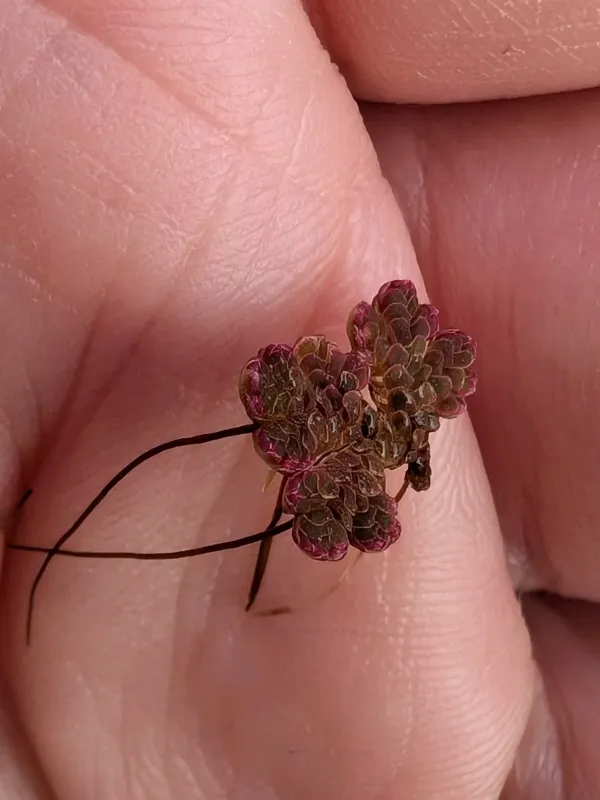
Description
Sowing dates
Azolla mexicana is a fast-growing aquatic fern that is propagated vegetatively rather than through traditional seeding processes.
The introduction of the culture into water bodies should occur during periods when water temperatures are consistently above 20 degrees Celsius.
Initial inoculation requires only a small amount of parent biomass, which will rapidly spread across the water surface under favorable conditions.
The plant multiplies through fragmentation, allowing it to cover large areas within a very short timeframe if nutrients and light are sufficient.
In rice paddies, it is often introduced alongside the planting of rice seedlings to maximize nitrogen contribution throughout the growth phase.
Growing requirements
This species belongs to the Salviniaceae family and is recognized for its symbiotic relationship with the nitrogen-fixing cyanobacteria Anabaena azollae.
It requires calm or slow-moving freshwater environments to ensure the stability of the floating colonies on the water surface.
Phosphorus availability is the most critical limiting factor for the growth and the nitrogen-fixing capacity of the fern.
While it thrives in high light conditions, it is sensitive to extreme temperatures and prolonged exposure to direct, scorching sun.
The optimal pH range for this aquatic plant is between 6.0 and 7.5, providing the best environment for metabolic functions.
Yield
The productivity of Azolla mexicana is remarkably high, capable of producing significant biomass yields within a short vegetative period.
It acts as a natural nitrogen source, with the ability to fix hundreds of kilograms of atmospheric nitrogen per hectare annually.
Harvesting frequency is determined by the growth rate, which can double the biomass within a few days under ideal nutrient conditions.
Yield efficiency is directly linked to water quality management, particularly the concentration of phosphorus and trace minerals.
Integrating this plant into agricultural systems significantly reduces the need for synthetic nitrogen fertilizers in rice cultivation.
Main diseases and pests
The primary threats include insect infestations, particularly moth larvae that can decimate large sections of the aquatic mat.
Overcrowding leads to poor aeration of the colony, increasing the risk of fungal infections and rapid decay of the plant material.
Competition from invasive aquatic weeds or algal blooms can stifle the development of Azolla by limiting access to nutrients.
Environmental pollutants, such as heavy metals or agricultural pesticides, can be lethal to the plant and its symbiotic bacteria.
Physical disturbances like strong winds, heavy rain, or water turbulence can cause fragmentation and loss of the floating mat.
Harvesting
Harvesting is typically performed using manual nets, rakes, or mechanized skimming equipment to collect the surface biomass.
In livestock production, the collected plant material is often washed and utilized as a highly digestible protein-rich feed additive.
When used in crop management, the biomass is often incorporated into the topsoil as a green manure to release fixed nitrogen into the field.
Sustainable harvesting practices require leaving a portion of the colony to ensure continuous regrowth and long-term population stability.
Post-harvest management involves quick processing to prevent decomposition and maintain the nutritional quality of the collected plants.