
Tetradium glabrifolium
Tetradium glabrifolium
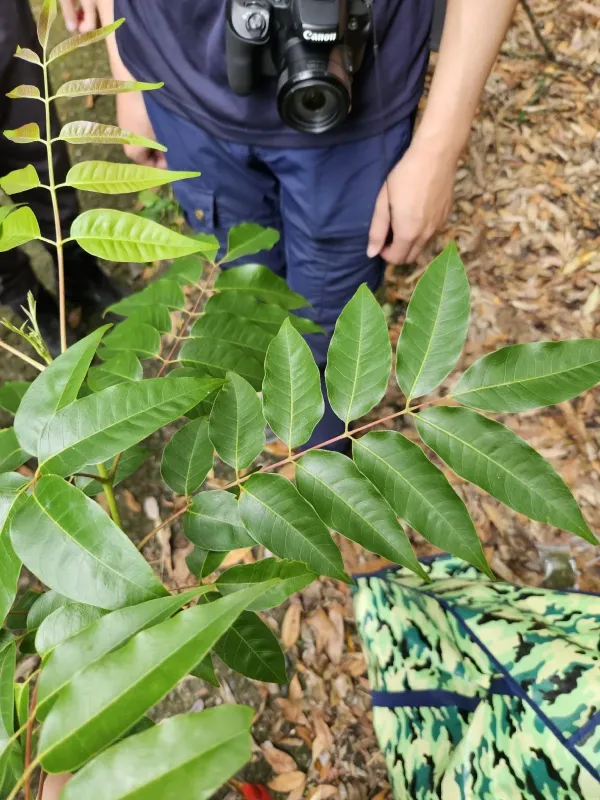
Description
Sowing dates
Propagation of Tetradium glabrifolium is primarily achieved through seed sowing. Seeds are sown in open ground during autumn for natural stratification or in spring after pre-treatment for 2–3 months at low positive temperatures.
When using the seed method in nurseries, sow in loose substrate at a depth of 1–2 cm. The optimal temperature for germination is between 15 and 20 degrees Celsius, provided soil moisture remains stable throughout the period.
Vegetative propagation via cuttings is also possible, though it requires strict control of humidity and the use of root growth stimulants. Young seedlings require protection from direct sunlight in the weeks immediately following transplanting.
Transplanting to a permanent location should occur when the plants are 2–3 years old, ensuring a sufficiently developed root system. When establishing plantations, maintain a distance of at least 4–5 meters between individuals to accommodate the wide canopy of mature trees.
The crop features a moderate growth rate in the early years, making regular weed control in the root zone an essential condition for successful establishment and long-term health of the trees.
Growing requirements
Tetradium glabrifolium, a member of the Rutaceae family, thrives in well-drained, fertile loamy soils with a neutral or slightly acidic pH. Waterlogging in the root zone is extremely detrimental to the plant, making site selection on elevated terrain or the implementation of quality drainage critical factors.
While the crop is warmth-loving, it possesses moderate winter hardiness. In regions with harsh winters, young trees require protective measures, such as mulching the base with organic material, to prevent root damage caused by freezing temperatures.
For active vegetative development, the plant requires a sunny location. In partial shade, the tree tends to stretch, leading to reduced flowering intensity, which directly compromises its primary agricultural value as a honey plant.
Moisture requirements are moderate: mature trees exhibit good drought resistance; however, during the budding and flowering phases, regular irrigation significantly enhances nectar productivity. Water stress during this time can result in premature flower drop.
The plant responds well to balanced mineral fertilizers applied at the beginning of the growing season. Organic top-dressing, such as compost or manure applied in autumn, promotes better shoot maturation before the onset of winter dormancy.
Yield
The primary agricultural value of Tetradium glabrifolium lies in its exceptional role as a late-blooming honey-producing crop. The honey harvested from these trees is noted for its high flavor profile and pleasant aroma, making it a desirable product in the market.
Nectar yield is directly dependent on the age of the tree and environmental conditions. A mature, well-developed tree can provide bees with a significant volume of high-quality raw material, making it a promising candidate for industrial beekeeping operations.
An important aspect of productivity is the duration of the flowering period, which can vary depending on the seasonal climate. In favorable years, the period of active nectar secretion extends, allowing apiaries to collect substantial commercial yields.
Beyond its value as a honey plant, the fruits of Tetradium contain valuable essential oils. The economic utility of these components extends to the pharmaceutical and perfume industries, further expanding the economic potential of the crop.
Effective plantation management requires consideration of planting density to ensure maximum access for pollinating insects to the flowers, thereby optimizing output per unit area of the cultivation site.
Main diseases and pests
Tetradium glabrifolium is characterized by high resistance to most common diseases affecting fruit-bearing crops. Nevertheless, failure to adhere to proper agricultural practices, particularly regarding over-saturation of soil with water, may lead to the development of root rots of various etiologies.
Among pests, the greatest danger is posed by sap-sucking insects such as aphids or scale insects, which can damage young leaves and shoots during periods of intensive growth. Biological control methods and systemic insecticides are effective for managing these infestations.
Fungal leaf spots can occur in conditions of high humidity and poor canopy ventilation. Timely sanitary pruning helps maintain tree health and prevents the spread of pathogen spores across the plantation.
Improper winter preparation can lead to bark damage from sunscald or frost cracks, which serve as entry points for secondary infections. Applying whitewash or using protective covers effectively mitigates these risks.
Regular monitoring of the phytosanitary status of the site allows for the detection of infection clusters at early stages, minimizing damage and ensuring the preservation of the aesthetic and productive value of the trees.