
Tetradium ruticarpum
Tetradium ruticarpum
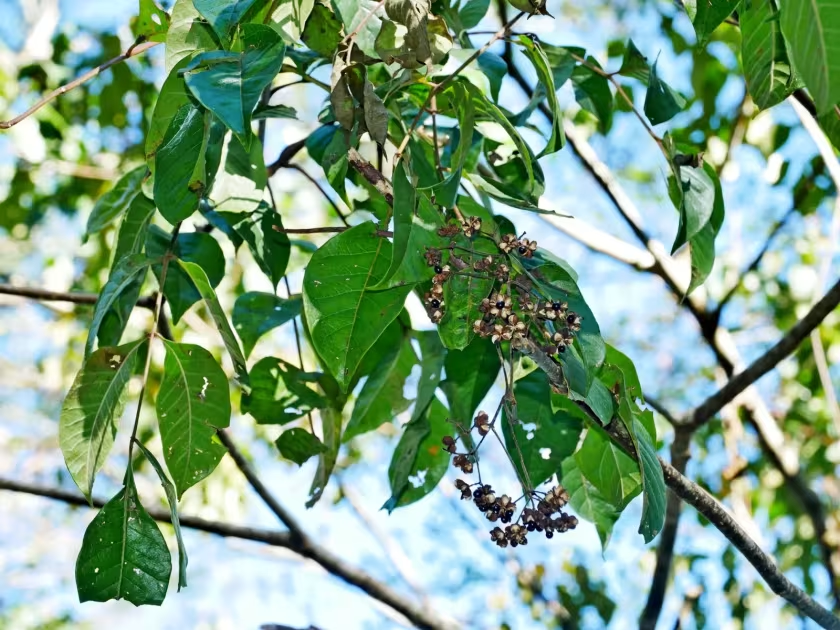
Description
Sowing dates
Tetradium ruticarpum is typically propagated via seeds or vegetative cuttings. Seeds require a mandatory stratification period of 2 to 3 months at low positive temperatures to break dormancy and ensure successful germination.
Before sowing, seeds should be soaked in warm water to facilitate water absorption. They are then planted in a light, well-draining substrate at a depth of 1-2 centimeters, maintaining constant moisture until shoots emerge.
Vegetative propagation involves semi-hardwood cuttings taken in early summer. These cuttings are treated with rooting hormones and kept in a high-humidity environment to encourage robust root system development.
Young seedlings require 1-2 years of nursery care before being transplanted to their permanent location. Protecting them from intense sunlight and desiccation during this initial phase is critical for survival.
A standard planting density of 4-5 meters between trees is recommended to accommodate the broad, spreading canopy of the mature tree and to ensure sufficient light penetration for optimal fruit production.
Growing requirements
Tetradium ruticarpum is a member of the Rutaceae family, native to East Asia, including regions of China, Japan, and Korea. It thrives in temperate climates and requires sheltered sites to protect it from harsh winds.
The plant prefers fertile, loamy, or sandy-loam soils with a neutral to slightly acidic pH. Good drainage is essential, as waterlogged conditions often lead to root rot and other physiological stressors.
Being a sun-loving species, it requires an open site with maximum light exposure. In colder climates, winter protection for the root zone is necessary to prevent frost damage during severe cold snaps.
Regular irrigation is vital during the active growing season and fruit development stages. While mature trees exhibit some drought tolerance, consistent soil moisture significantly boosts yield and secondary metabolite content.
Applying organic fertilizers in early spring, supplemented by mineral nutrients during the budding stage, promotes vigorous shoot growth and enhances the overall resilience of the tree against environmental stress.
Yield
The primary economic output consists of the unripe dried fruits, widely used in traditional medicine. Yield levels depend heavily on the tree's age, exposure to sunlight, and effective pollination throughout the season.
A mature tree typically reaches peak production between the ages of 15 and 20 years. Proper structural pruning is necessary to maintain productivity and facilitate access during the harvest season.
Beyond fruit production, Tetradium is highly regarded for its honey-producing potential. Its flowers are excellent sources of nectar, making it a valuable addition to agroforestry systems that support local beekeeping.
Fruit quality is highly dependent on harvest timing. Harvesting must be timed precisely when the fruits change color but before they begin to split, ensuring both high potency and seed integrity.
The plant represents a niche but highly valuable crop for specialized farms focusing on medicinal and pharmaceutical-grade botanical raw materials.
Main diseases and pests
Tetradium is generally resilient to many pathogens, but excessive humidity can lead to root rot issues. Strict management of soil moisture and proper drainage are the most effective preventative measures.
Common pests include sap-sucking insects like aphids and scale insects, which can weaken young shoots. Regular monitoring and integrated pest management (IPM) strategies are recommended for control.
Fungal leaf spots may occur in environments with poor air circulation and high humidity. Maintaining open canopy structures through annual pruning is a fundamental practice to prevent fungal development.
Late spring frosts pose the greatest risk, as they can damage sensitive flower buds. Selecting sites with good cold air drainage can mitigate the risk of seasonal crop loss significantly.
Adhering to strict sanitary practices and ensuring high-quality, disease-free planting material are the foundations for maintaining a long-lived and productive Tetradium orchard.
Harvesting
Harvesting usually takes place in late summer or early autumn. The fruits are collected carefully to avoid damaging the brittle branches of the tree, which can easily snap under heavy handling pressure.
Once gathered, the fruits must be dried immediately in controlled conditions, ideally in professional dryers at 40-50°C, to preserve the integrity of their essential oils and alkaloid compounds.
Dried product should be stored in airtight containers in a cool, dark, and dry environment. This prevents the degradation of bioactive components caused by light and moisture exposure.
Sorting and cleaning the fruits before long-term storage is essential to remove foreign debris and damaged parts, which ensures the product meets high-quality market standards.
Logistical planning for transport must emphasize maintaining consistent temperatures to prevent the loss of volatile compounds, which are critical to the market value of the harvested raw material.