
Tetradium fraxinifolium
Tetradium fraxinifolium
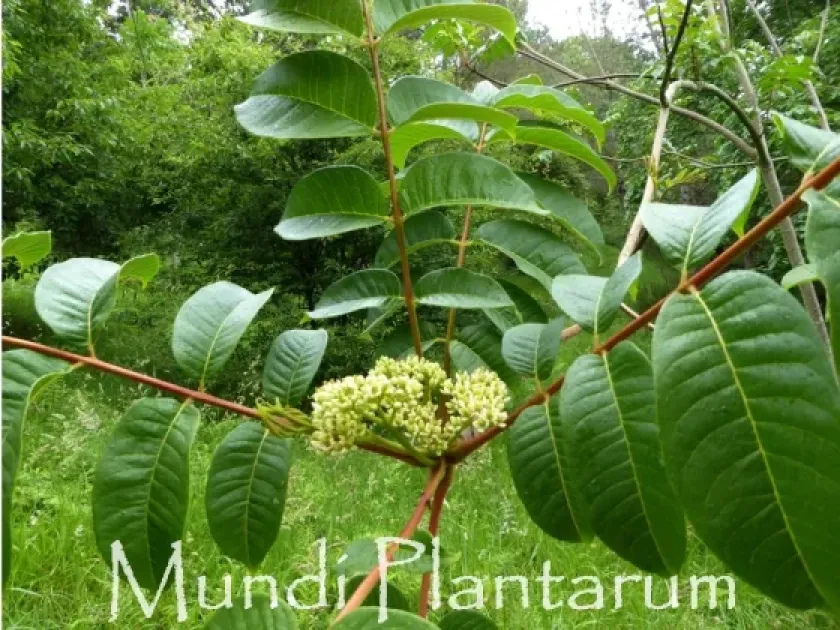
Description
Sowing dates
Propagation of Tetradium fraxinifolium is mainly achieved through seeds or stem cuttings. Seeds require preliminary stratification at low temperatures for 2-3 months to break dormancy and improve germination rates.
Sowing in open ground is conducted in the spring once soil temperatures reach 10-12 degrees Celsius. For stronger seedlings, it is preferable to use container-grown methods before transplanting to a permanent location at the age of two years.
During sowing, seeds should be planted in loose substrate at a depth of no more than 1-2 centimeters. It is crucial to maintain stable moisture in the seedbed, avoiding both desiccation and waterlogging, which could cause seed rot.
The planting site should be chosen to protect young plants from strong winds and intense direct sunlight during their early years. The optimal planting density for establishing orchards is 4 by 4 meters to ensure adequate space for root and crown expansion.
As a member of the Rutaceae family, Tetradium should not be planted in areas where related crops were recently cultivated to minimize the risk of soil-borne pathogens and species-specific pests.
Growing requirements
This crop prefers well-drained, fertile loamy or sandy-loam soils with a neutral to slightly acidic pH. The plant is highly sensitive to waterlogging, necessitating a water table at least 1.5 meters below the soil surface.
For optimal growth, Tetradium requires a sunny location. In shaded conditions, the tree's crown becomes sparse, and flowering, which is its primary economic value, decreases significantly in both intensity and duration.
Climatic requirements are moderate, as the species exhibits medium winter hardiness. In regions with harsh winters, young saplings require protective mulch around the base and wrapping of the trunk to prevent frost damage in the first few years.
Regular irrigation during drought periods is a key success factor, especially for young specimens. Mature trees demonstrate moderate drought tolerance due to a deep root system capable of accessing water from lower soil horizons.
For active growth, apply complex mineral fertilizers high in nitrogen in the spring. Transitioning to potassium-phosphorus blends in the late summer helps promote shoot maturation and hardiness before the onset of winter.
Yield
The primary economic use of Tetradium fraxinifolium is in apiculture. The tree is recognized as one of the most valuable woody honey plants, capable of secreting high volumes of nectar even under challenging environmental conditions.
Nectar yield per hectare of Tetradium plantations can reach impressive levels, comparable to those of linden or black locust. The peak of flowering occurs in late summer, providing bees with an essential maintenance nectar flow.
Honey produced from Tetradium flowers is highly valued for its flavor profile, pleasant aroma, and slow crystallization process. This makes it a high-demand product, increasing the profitability of apiaries situated near natural stands or plantations of this species.
In addition to nectar production, Tetradium wood is appreciated in woodworking for its durability and unique grain texture. In landscape design, the tree is favored for avenues and specimen planting due to its attractive pinnate foliage.
Seed production, useful for further propagation and breeding programs, typically stabilizes after the tree reaches 7-10 years of age, marking the onset of the period of abundant fruiting.
Main diseases and pests
Like most Rutaceae, Tetradium possesses natural resistance to many diseases; however, poor agronomic practices can lead to fungal infections such as powdery mildew or various types of leaf spot.
Among pests, leaf-eating insects and aphids pose the greatest threat, often colonizing young shoots. Regular monitoring of the crown allows for early detection and the targeted application of biological insecticides if necessary.
Excessive soil moisture increases the risk of root rot. To mitigate this, ensure proper site drainage and avoid the use of uncomposted organic matter, which can promote the development of pathogenic flora in the root zone.
During winter, young trees may be damaged by rodents gnawing on the bark. Protection measures, such as installing physical guards or wrapping trunks, are recommended to prevent severe damage to the vascular tissues.
Overall, following standard agronomic practices — such as timely pruning, removal of dead branches, and irrigation management — serves as the best preventative strategy, ensuring the tree remains both healthy and productive.
Harvesting
Honey production is primarily harvested by bees, but for breeding or seed collection purposes, fruit should be harvested only after full maturation, when the pods acquire a dry, brittle texture.
The optimal time for seed harvesting is in autumn, before the pods open and disperse their contents. Harvested material should be dried in a well-ventilated, shaded area to prevent mold and heat damage.
Once dried, seeds are cleaned of debris and stored in paper or cloth bags in low-humidity conditions. Maintaining proper temperature and humidity control during storage significantly extends seed viability.
When utilizing the tree as a honey source, the primary nectar harvest window occurs in July and August. Beekeepers are advised to place hives in close proximity to Tetradium stands to minimize the energy expenditure of the bees during foraging.
It is important to note that excessive resource extraction during the growing season can impact the tree's winter preparation; therefore, it is advisable to limit intense use of young trees until they are fully established.