
Pleiospermium alatum
Pleiospermium alatum
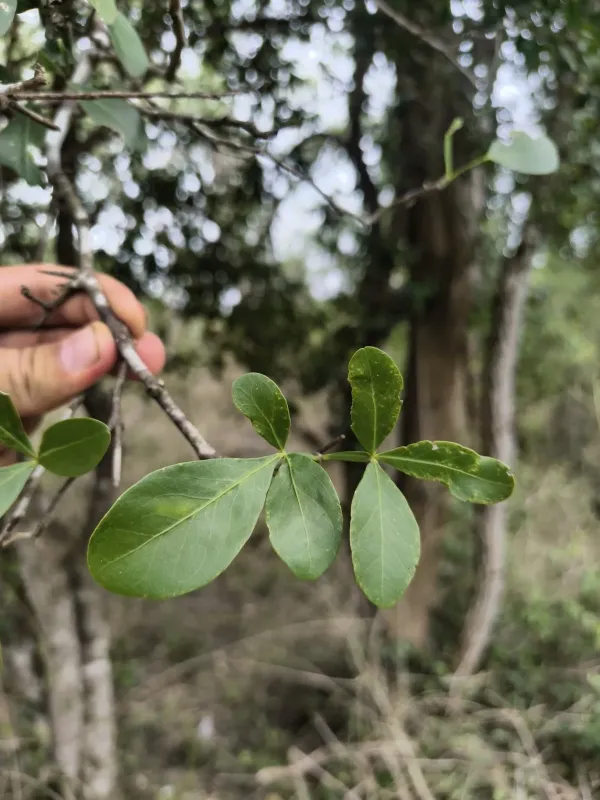
Description
Growing requirements
Pleiospermium alatum is a unique evergreen species belonging to the Rutaceae family, sharing many botanical characteristics with the citrus genus. This woody plant is highly valued for its aesthetic appeal and its status as a niche tropical agricultural crop.
Native to the moist tropical forests of Southeast Asia, this species thrives in environments where high humidity and consistent warmth are maintained. It does not tolerate frost or prolonged exposure to temperatures below 15°C.
The ideal soil for cultivation must be well-draining, nutrient-rich, and slightly acidic. Commercial growers often use peat-based substrates or specialized citrus potting mixes to ensure that the root system remains healthy and aerated.
Regarding light conditions, Pleiospermium alatum requires bright, filtered light. Exposure to intense, direct tropical sun can cause leaf scorch, whereas insufficient light leads to sparse foliage and weak growth of the woody stems.
Maintenance involves routine fertilization using balanced NPK formulas supplemented with iron and magnesium to prevent chlorosis. Consistent monitoring of soil moisture levels is essential to prevent both wilting and root saturation.
Main diseases and pests
Typical threats include scale insects and spider mites, which are particularly prevalent in greenhouse conditions. These pests thrive in dry environments and can cause significant damage to the sap and leaf tissue if left unmanaged.
Fungal pathogens such as root rot, often caused by Phytophthora, present a major risk if soil drainage is compromised. Effective management involves strict adherence to watering schedules and the use of preventative fungicide applications.