
Paramignya monophylla
Paramignya monophylla
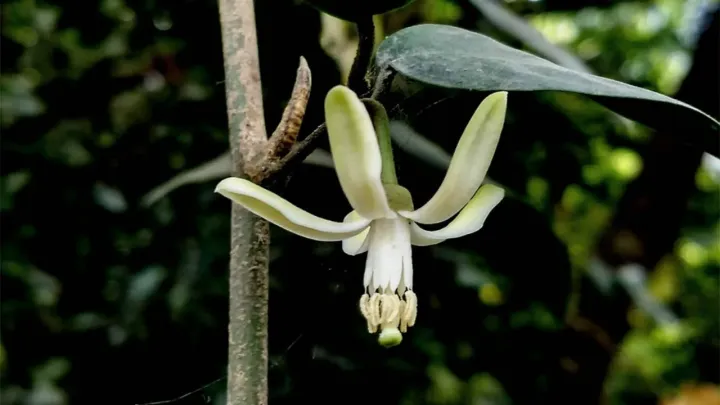
Description
Growing requirements
Paramignya monophylla is a woody shrub or climber belonging to the Rutaceae family. It is natively distributed across India, Nepal, and parts of Southeast Asia, where it thrives in humid forest habitats.
The plant requires a strictly tropical climate with consistent temperatures and high ambient humidity. It is highly susceptible to chilling injury, necessitating greenhouse cultivation in regions outside the tropics.
Cultivation requires well-draining, nutrient-rich soil with a slightly acidic to neutral pH. Proper moisture management is essential; the soil should remain moist, but waterlogging must be strictly avoided to prevent root diseases.
In terms of botany, the species is characterized by its simple, glossy leaves and white, fragrant flowers. As a member of the citrus family, it possesses complex chemical compositions including various essential oils and alkaloids.
The plant holds significant value in ethnobotany. Traditional medicine systems utilize the roots and leaves of the plant for their purported anti-inflammatory, analgesic, and tonic properties in treating various ailments.
Main diseases and pests
The species is prone to common citrus-related pests, including scale insects, mealybugs, and spider mites, especially when grown in indoor environments where air circulation is limited and humidity is high.
Root rot caused by pathogenic fungi is a major threat when soil drainage is inadequate. Preventive measures include using sterilized potting media and ensuring regular inspection of the root zone for signs of decay.