
Pamburus
Pamburus missionis
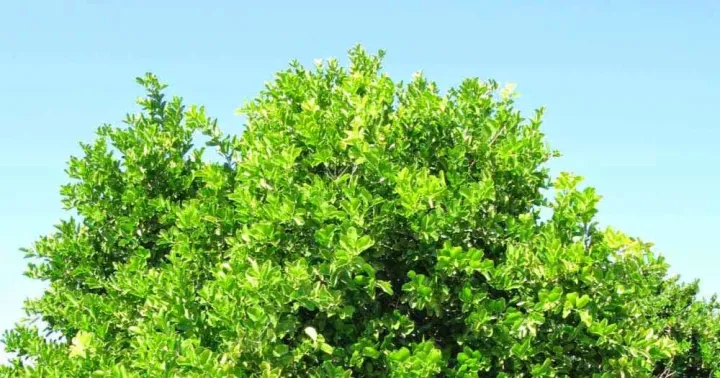
Description
Growing requirements
Pamburus missionis is a distinctive evergreen tree belonging to the Rutaceae family. It is a botanical relative of citrus species, noted for its unique adaptation to tropical forest environments.
The plant is native to the regions of Southern India and Sri Lanka. It primarily inhabits dry evergreen forest areas, where it thrives under conditions that include seasonal fluctuations in moisture and light intensity.
Climatic requirements for this species are centered on maintaining tropical temperature regimes, ideally between 20°C and 32°C. The plant exhibits high sensitivity to frost and cold stress, necessitating protection in non-tropical climates.
Soil requirements dictate the use of well-draining, nutrient-rich substrates. Loamy soils with a slightly acidic profile are preferred to ensure that roots are not exposed to excessive moisture or stagnant water.
Agricultural management requires careful attention to irrigation scheduling, ensuring the soil remains moist but not waterlogged during the active growth periods of the tree.
Main diseases and pests
Significant threats to Pamburus include various fungal pathogens, particularly root rot, which occurs when planting sites lack proper drainage or suffer from water accumulation.
Common agricultural pests affecting this species include citrus scale insects and spider mites, which feed on the sap of tender foliage and young fruit, causing significant growth retardation.
Mealybugs are also observed in environments with low air circulation, forming colonies that can lead to soot mold development on the leaves, further impeding photosynthesis.
Integrated pest management (IPM) strategies, including biological control and periodic pruning, are essential to maintain the health and vigor of Pamburus trees in plantations.
Proactive monitoring for signs of infestation or disease is vital, as early detection allows for targeted interventions that preserve yield quality and tree structure.