
Nematolepis phebalioides
Nematolepis phebalioides
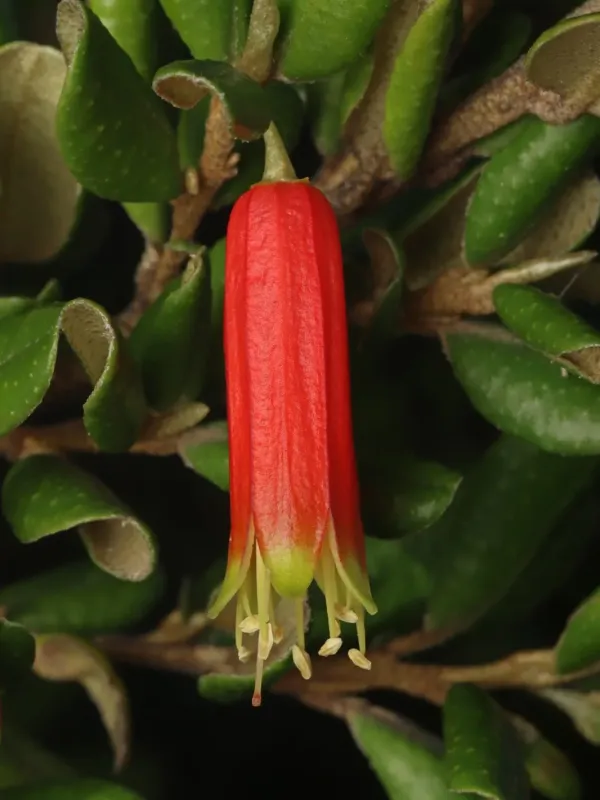
Description
Growing requirements
Nematolepis phebalioides is an evergreen woody shrub belonging to the Rutaceae family. Native to the southwestern regions of Australia, this species is highly valued for its aromatic foliage and delicate floral structure, characteristic of the Australian flora.
Botanically, the plant features narrow, leathery leaves that release a pleasant citrus-like fragrance when crushed. It typically maintains a slow growth habit, forming a dense and upright bush that is highly suited for decorative landscaping in temperate climates.
The successful cultivation of Nematolepis requires a sunny, open environment with well-draining soil. It is particularly sensitive to soil phosphorus levels and performs best in substrates that mimic the sandy, aerated conditions of its natural habitat.
Regarding climate requirements, the plant prefers stable temperatures and avoids extreme frost. In environments with harsh winter conditions, it is strictly managed as a container plant, requiring shelter in a cool, well-lit greenhouse to prevent damage to the root system.
Agricultural management focuses on light, consistent irrigation. It is essential to ensure that the soil dries out slightly between watering sessions, as the plant is highly susceptible to root decay when exposed to continuously waterlogged or heavy, compacted soil types.
Main diseases and pests
The primary threats to Nematolepis phebalioides are soil-borne pathogens, particularly Phytophthora species. These fungi thrive in moist, stagnant conditions, making adequate soil drainage the most critical factor in disease prevention for this species.
Pest pressures primarily include sap-sucking insects such as scale insects and spider mites, particularly when grown in sheltered or indoor environments. Monitoring the underside of leaves for early signs of infestation is recommended to maintain the plant's ornamental quality.