
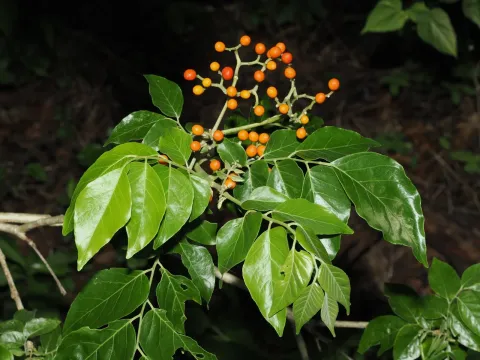
Micromelum
Micromelum
Sowing Micromelum seeds should be conducted in a greenhouse or climate-controlled environment to ensure stable germination conditions. Early spring is the optimal time for starting the propagation process.
What the section contains

Micromelum
Seeds require high-quality, well-draining soil mixed with peat and perlite to prevent rot. Pre-soaking seeds in a growth-promoting solution can significantly enhance the success rate of germination.
The seeds should be sown at a shallow depth of about 1 centimeter. Providing a stable temperature of 22–25 degrees Celsius is critical for ensuring that the embryos develop properly without stalling.
Seedlings should be transferred to individual pots once the first true leaves have emerged. This transition requires careful handling to avoid disturbing the young, delicate root systems during the process.
Consistent light exposure is necessary once germination occurs. Providing supplemental artificial lighting can prevent etiolation in young seedlings during the initial phases of their growth.
Micromelum belongs to the Rutaceae family and originates from tropical environments in Asia. It thrives in warm climates and is highly sensitive to frost, requiring winter protection in colder regions.
The soil requirements involve a balanced, slightly acidic to neutral substrate that provides excellent drainage. Proper aeration of the root zone is crucial for the long-term health of the plant.
High humidity levels are essential for this plant to mimic its natural tropical habitat. If the environment is too dry, leaves can become brittle or lose their vibrant color, requiring frequent misting.
Bright, indirect sunlight is the ideal light condition for Micromelum. While it enjoys a high light intensity, direct scorching sunlight should be avoided to prevent damage to the foliage.
Fertilization should be applied during the active growing season using balanced fertilizers formulated for citrus or subtropical plants. Nutrients should be supplied in moderation to avoid leaf burn.
Common pests affecting Micromelum in greenhouse settings include spider mites and scale insects. These pests often congregate on the undersides of leaves, causing structural damage over time.
Fungal issues, particularly powdery mildew and root rot, often stem from poor ventilation and over-watering. Maintaining a consistent airflow is one of the best preventative measures for the plant.
Integrated pest management, including the use of systemic insecticides and neem oil, is recommended. Regular inspection of the canopy helps catch infestations before they spread to other plants.
Cleaning leaves with a damp cloth periodically helps remove dust and potential pests, keeping the stomata clear and facilitating healthy gas exchange for the plant.
In cases of severe infection, immediate quarantine of the affected plant is mandatory to protect the rest of the collection. Always sanitize tools between tasks to prevent cross-contamination.
Harvesting Micromelum depends on the specific end-use, which ranges from medicinal applications to aromatic extractions. The fruits are generally gathered when they reach their peak mature color.
Leaves harvested for essential oil production or medicinal use must be gathered in the early morning. This timing ensures that the concentration of volatile compounds is at its highest level.
Care must be taken during the harvesting process to avoid over-pruning the parent plant. Removing too much vegetative material can stunt future growth and decrease the overall plant vitality.
The post-harvest phase requires drying the plant material in a cool, dark, and well-ventilated space. Slow drying preserves the integrity of the bioactive components found within the tissues.
Proper storage is essential to maintain the potency of the harvested product. Using airtight containers placed in a cool, dark environment will help preserve the quality for long-term use.