
Glycosmis pentaphylla
Glycosmis pentaphylla
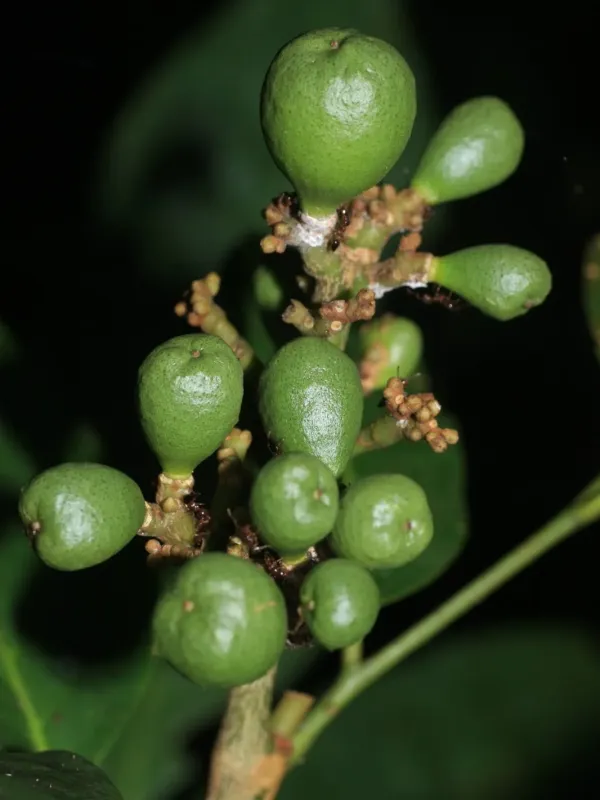
Description
Growing requirements
Glycosmis pentaphylla, commonly known as orangeberry or gin berry, is an evergreen shrub or small tree belonging to the Rutaceae family, closely related to citrus species.
Originating from South and Southeast Asia, this plant thrives in tropical climates characterized by high humidity and consistent warmth throughout the year.
The ideal growing conditions require fertile, well-draining soil with a pH ranging from slightly acidic to neutral to ensure healthy root development and nutrient uptake.
The plant demonstrates adaptability to various light conditions; however, optimal growth is achieved in partial shade during its initial development and full sunlight as the tree matures.
Regular irrigation is essential for maintaining soil moisture, especially during the flowering and fruiting seasons, although the plant can withstand occasional brief dry spells once established.
Yield
The primary agricultural interest in Glycosmis pentaphylla lies in its edible, sweet, pinkish-white berries that are appreciated for their refreshing taste in local culinary traditions.
Beyond its fruit production, the plant holds significant value in ethnobotany, as its leaves, stems, and roots are frequently utilized in traditional medicinal formulations.
When cultivated under optimal conditions, the shrub provides consistent yields, often producing fruit multiple times throughout the year in non-seasonal tropical environments.
The commercial potential of the crop is primarily focused on local markets, though its aesthetic appearance also makes it a popular choice for home gardens and landscaping.
The fruit's nutritional profile and medicinal bioactive compounds continue to be a subject of interest for sustainable agricultural research in various tropical regions.
Main diseases and pests
The plant is generally robust but can be susceptible to common greenhouse and tropical pests, including scale insects, mealybugs, and spider mites that feed on plant sap.
Fungal issues, such as anthracnose or powdery mildew, can emerge if the canopy becomes too dense, highlighting the necessity of regular pruning to improve air circulation.
Preventative care is crucial, focusing on maintaining optimal spacing between plants to reduce the risk of humidity-related pathogen transmission.
Monitoring the plant for signs of nutrient deficiency or water stress is vital, as weakened plants are more susceptible to secondary infestations and diseases.
Integrated pest management, favoring biological controls and cultural practices, is the recommended strategy for maintaining a healthy and productive orangeberry plantation.