
Glycosmis mauritiana
Glycosmis mauritiana
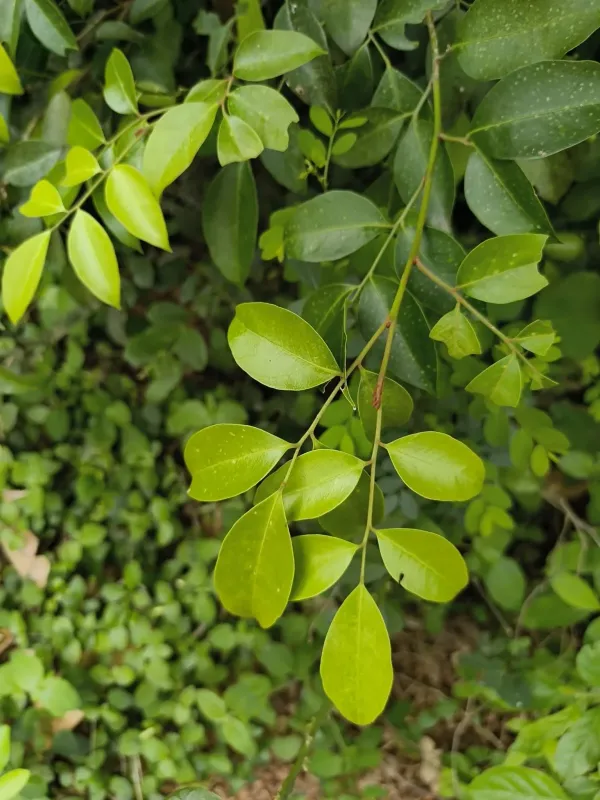
Description
Growing requirements
Glycosmis mauritiana is an evergreen shrub or small tree belonging to the Rutaceae family. It is a close relative of the citrus genus, which determines its specific botanical requirements and physiological traits.
The native range of this species covers tropical regions of Asia, including India and Southeast Asia. The plant thrives in humid forest zones, favoring conditions that combine high temperatures with protection from direct, harsh sunlight.
For successful cultivation, Glycosmis mauritiana requires fertile, well-drained soil with a neutral or slightly acidic pH level. A high-quality drainage system is essential, as the plant is highly sensitive to waterlogged conditions.
The species is heat-loving and cannot withstand freezing temperatures. The ideal temperature range for active growth is between 22 and 28 degrees Celsius. In temperate climates, it is typically cultivated in greenhouses or as a container plant.
Maintaining high air humidity is crucial for the plant's health, particularly during the growing season. Regular misting of the foliage helps to prevent the leaf tips from drying out in controlled environments.
Main diseases and pests
Common pests affecting this culture include scale insects and mealybugs, which often infest the undersides of the leaves. Their presence is frequently associated with poor ventilation or improper humidity control.
Spider mites can become a major concern if the air around the plant is too dry. Effective management involves using acaricides and increasing local humidity levels to discourage mite proliferation.
Fungal diseases, such as root rot, may occur due to overwatering and poor drainage. Prevention is the key strategy, involving careful monitoring of soil moisture and the use of fungicide-treated substrates if necessary.
Leaf chlorosis is commonly observed in this species, often triggered by micronutrient deficiencies or the use of hard, alkaline water. Corrective measures involve applying chelated micronutrients to the soil.
Regular agronomic monitoring and consistent care practices are essential to minimize the risk of pests and diseases, ensuring the long-term health and vitality of Glycosmis mauritiana.
Harvesting
The plant produces small, edible pinkish or white berries. While they are not a significant commercial crop, they are consumed locally and appreciated for their subtle, sweet flavor profile in various traditional culinary uses.
In traditional medicine, the leaves and roots of the plant are utilized for their reported medicinal properties, attributed to the presence of various alkaloids and flavonoids found in the plant tissues.
In ornamental horticulture, Glycosmis mauritiana is valued for its dense, glossy foliage and fragrant flowers. It responds well to pruning, which allows for the creation of compact, attractive specimens.
Propagation is typically achieved through seeds or stem cuttings. It is important to note that seeds lose viability quickly and should be sown immediately after harvest to ensure successful germination.
The yield of berries is largely dependent on light intensity and the consistency of fertilization. Regular applications of balanced fertilizers help maintain vigor and improve fruit production in mature specimens.