
Glycosmis parviflora
Glycosmis parviflora
Description
Growing requirements
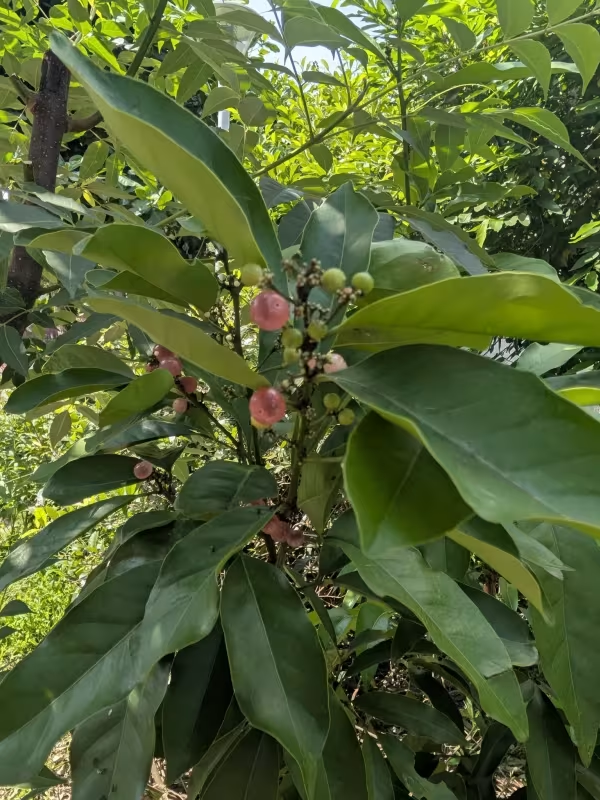
Glycosmis parviflora is an evergreen shrub or small tree belonging to the Rutaceae family. Being a close relative of citrus plants, it is highly valued for its fragrant flowers, glossy foliage, and small, berry-like fruits.
This species is native to Southeast Asia, thriving in tropical and subtropical climates. It is widely cultivated for its ornamental value and its adaptability to various container gardening conditions in non-tropical regions.
The plant requires well-draining, fertile soil to thrive. It performs best in substrates that are slightly acidic to neutral, avoiding waterlogged conditions which are detrimental to its fine root system.
Environmental requirements include a stable temperature range between 20°C and 30°C. While it can tolerate partial shade, bright, indirect light is essential for optimal flowering and fruit production.
Agricultural management requires regular, moderate watering and balanced fertilization. During the growing season, a high-quality liquid fertilizer should be applied to support the dense foliage and continuous growth cycles.
Main diseases and pests
The primary threats to Glycosmis parviflora include root rot and fungal infections, typically caused by overwatering or poor soil drainage. Maintaining a proper irrigation schedule is critical for preventing these issues.
Pests such as scale insects, spider mites, and mealybugs are the most common adversaries. These insects thrive in indoor or greenhouse environments where air circulation may be limited and humidity is low.
Control measures involve regular inspection of the plants, particularly the underside of the leaves. Applying horticultural oils or systemic insecticides is effective when pest infestations are identified at an early stage.
Sanitation practices, such as removing fallen leaves and pruning dead wood, play a significant role in keeping the plant healthy and preventing the buildup of pathogen spores within the growing area.
Integrated Pest Management (IPM) strategies are recommended for commercial and amateur cultivation to minimize the use of harsh chemicals and promote a healthy ecosystem around the plant.