
Glycosmis trifoliata
Glycosmis trifoliata
Description
Growing requirements
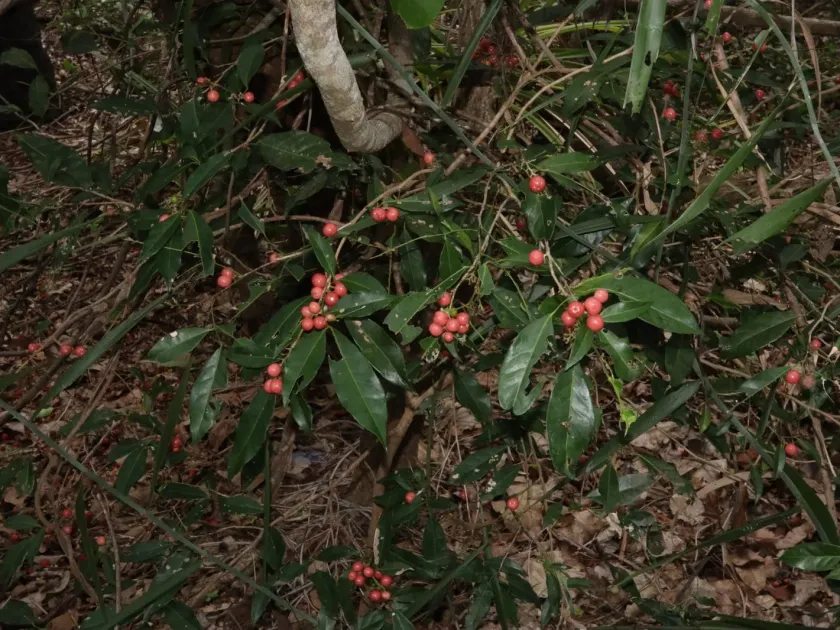
Glycosmis trifoliata is a distinct species within the Rutaceae family, sharing many characteristics with other citrus relatives. It is primarily characterized by its trifoliate leaves and its ability to thrive in warm, sheltered environments as a perennial evergreen shrub or small tree.
Native to tropical regions of Asia and Australia, this plant requires a climate that remains frost-free throughout the year. It performs best in environments where temperatures range between 20°C and 30°C, and it is sensitive to cold stress, which can lead to rapid physiological decline.
The cultivation of this species demands well-drained soil with a high organic matter content. Because the root system is sensitive to waterlogging, it is imperative to ensure that the planting site has excellent drainage capabilities, especially in regions with heavy rainfall or under irrigation.
Agronomic management includes consistent moisture levels and periodic pruning to maintain plant vigor. During the growing season, moderate fertilization is recommended to support foliage production and the development of the small, fragrant flowers typical of the genus.
Economically, Glycosmis trifoliata is valued in botanical and ornamental contexts. While its fruit is edible, its primary use in agriculture is often associated with its aromatic foliage and its role in sustainable home gardening or specialized botanical nurseries in tropical zones.
Main diseases and pests
Common pests affecting this crop include scale insects, aphids, and spider mites. These pests typically congregate on the underside of leaves or on succulent stems, necessitating vigilant monitoring and the timely application of horticultural oils or systemic insecticides.
Phytopathological risks are largely driven by poor aeration and excessive moisture, which encourage root pathogens such as Phytophthora or Pythium species. Adhering to strict sanitation protocols and avoiding over-irrigation are the most effective strategies for preventing disease outbreaks.