
Garraway's citrus
Citrus garrawayae
Description
Growing requirements
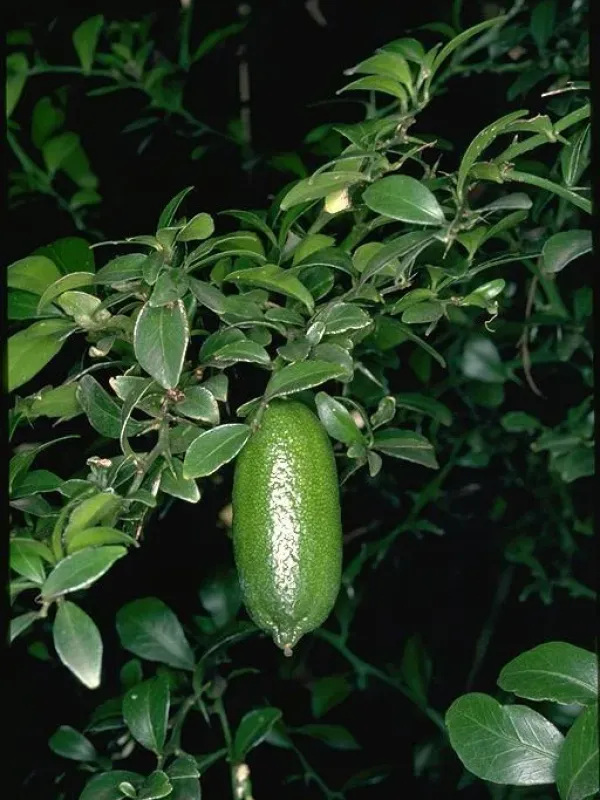
Garraway's citrus (Citrus garrawayae) is a member of the Rutaceae family, naturally occurring in the rainforests of Queensland, Australia. This species is recognized for its unique botanical traits and adaptation to high-humidity tropical ecosystems.
The plant thrives in warm, frost-free environments where temperatures remain consistently above 15 degrees Celsius. It requires protection from direct exposure to cold winds and intense, scorching mid-day sunlight.
Cultivation requires well-draining, slightly acidic soil rich in organic matter. Waterlogging is detrimental to the plant, often leading to rapid root decay, which is a common challenge in container gardening.
Adequate air circulation is essential for maintaining plant health, especially in greenhouse conditions. Proper spacing during planting prevents the competition for nutrients and ensures uniform light distribution.
Fertilization should be balanced, focusing on nitrogen during the growth phase and potassium during the fruit development stage to improve the quality and flavor profile of the harvest.
Main diseases and pests
Common pests affecting this species include scale insects and spider mites, which congregate on the underside of leaves and stems, causing yellowing and tissue damage.
Fungal diseases like citrus scab can manifest as wart-like lesions on leaves and fruit, primarily occurring during prolonged periods of high humidity and rainfall.
To mitigate the risk of disease, it is advised to remove all dead wood and fallen leaves from the base of the plant to prevent the spread of fungal spores throughout the growing area.
Integrated Pest Management (IPM) practices, including the use of neem oil and biological controls, are highly effective in maintaining a healthy canopy without harming beneficial insects.
Regular monitoring of young shoots is crucial, as they are the most attractive targets for sap-sucking insects that can stunt the overall development of the young tree.