
Fagaropsis angolensis
Fagaropsis angolensis
Description
Growing requirements
Fagaropsis angolensis is a significant tree species belonging to the Rutaceae family, known for its stature and high-quality timber. It primarily inhabits the tropical regions of Africa, extending across countries like Kenya, Uganda, and Angola, where it thrives in diverse forest ecosystems.
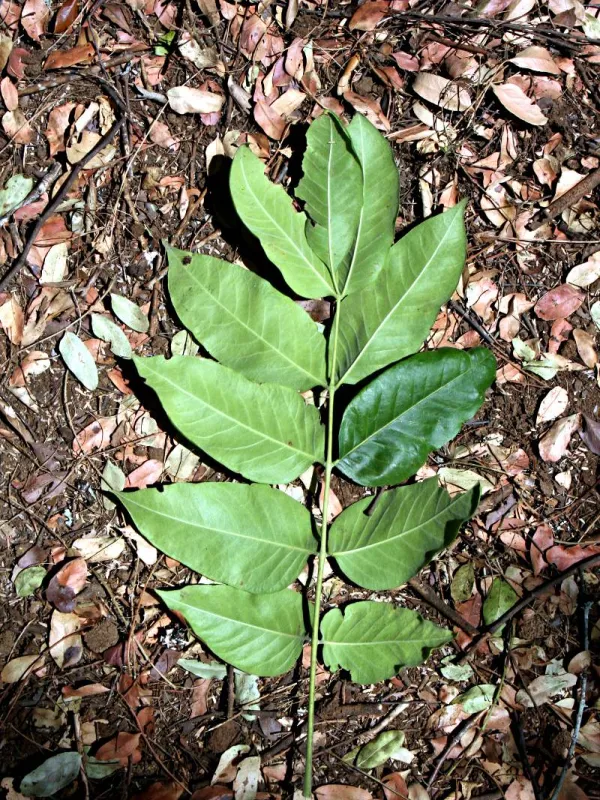
Botanically, this species is recognized by its straight bole and distinct foliage. It often occupies medium to high altitude zones, where rainfall is consistent and temperatures remain within a stable range, allowing for slow but steady biological development.
Regarding soil requirements, Fagaropsis angolensis prefers deep, fertile, and well-drained loam. While it shows some adaptability to different soil textures, the presence of efficient drainage is non-negotiable to prevent root rot and ensure long-term health.
Agrotechnical management involves regular thinning and spacing to allow adequate crown development. Young saplings require protection from direct, intense sunlight and competition from invasive undergrowth, necessitating active site maintenance during the early growth stages.
The economic value of this tree is largely derived from its wood, which is esteemed for its strength, durability, and fine texture. It is a prized resource in the furniture industry and high-end construction sectors, highlighting its importance for regional economic development.
Main diseases and pests
Fungal infections, specifically those targeting the root system, represent a major threat to Fagaropsis angolensis. These pathogens flourish in stagnant water conditions, making soil moisture management the primary preventive measure for foresters.
Wood-boring insects pose a significant risk to mature trees, especially in instances where the tree is weakened by environmental stress. Monitoring programs and the removal of compromised wood are essential to prevent the spread of infestations across the plantation.
Invasive plant species can outcompete Fagaropsis angolensis for nutrients and sunlight during the critical sapling phase. Integrated weed management programs are vital to ensure the successful establishment of young trees in commercial sites.
Climatic variability, such as prolonged or unseasonal drought, significantly impacts the vitality of the tree. While it has moderate resilience, extreme stress can reduce its resistance to pests and diseases, requiring strategic irrigation if possible.
Sustainability issues, driven by over-harvesting in natural forests, necessitate strict management and replanting efforts. Promoting controlled cultivation helps mitigate pressure on wild populations and secures the future of this botanical resource.