
Tricalysia pallens
Tricalysia pallens
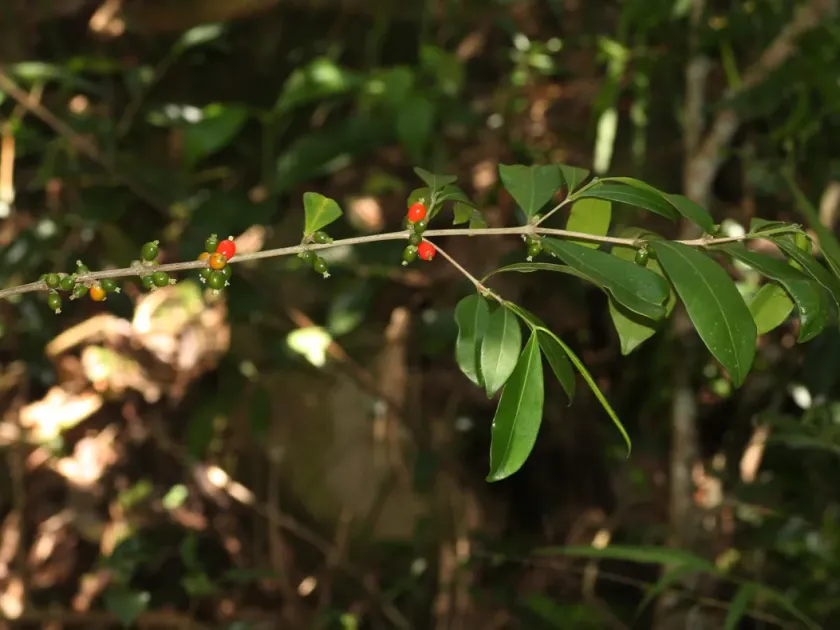
Description
Growing requirements
Tricalysia pallens is a distinctive species within the Rubiaceae family, characterized by its shrubby growth habit and biological affinity to the coffee genus. It has gained attention in niche tropical agriculture due to its unique physiological properties and potential for further utilization.
Originating from the tropical forests of Africa, this plant thrives in environments characterized by consistently high humidity and warm temperatures. In cultivation, maintaining a temperature range of 20°C to 28°C is essential to avoid physiological stress and promote robust growth.
Soil quality is paramount for the successful establishment of Tricalysia pallens plantations. The ideal soil type is a deep, well-draining loamy substrate rich in organic matter, with a slightly acidic profile that mimics the natural forest floor conditions in which the species originates.
Regarding light requirements, the plant prefers filtered or semi-shaded environments rather than intense direct sunlight. Implementing shading techniques is a standard agricultural practice that protects the sensitive foliage from solar radiation damage and maintains optimal transpiration rates.
Effective water management remains a cornerstone of its cultivation. The crop requires consistent soil moisture but is highly susceptible to root rot if the substrate becomes waterlogged. Therefore, installing a proper drainage system is critical for long-term health and productivity.
Main diseases and pests
Pest pressure is a significant challenge in the commercial production of Tricalysia pallens. Common threats include sap-sucking insects like mealybugs and scale insects, which can severely weaken the plant by extracting essential nutrients from the vascular system.
Pathogenic fungi present a recurring risk, particularly in high-humidity cultivation settings. Symptoms like leaf spots and stem rot often indicate suboptimal airflow or excessive moisture on leaf surfaces, necessitating prompt corrective agricultural actions.
Integrated Pest Management (IPM) strategies are highly recommended to mitigate these risks while maintaining environmental sustainability. These strategies often involve a combination of biological controls, such as beneficial predatory mites, and targeted organic-based pesticides.
Regular sanitation, including the removal of dead or infected plant tissue, is a fundamental practice in maintaining orchard health. This minimizes the inoculum level of pathogens and prevents the spread of diseases throughout the entire planting area.
Monitoring programs are essential for early detection of pest and disease outbreaks. By assessing plant health indices regularly, growers can make informed decisions about intervention thresholds, ensuring that crop quality is preserved throughout the growth cycle.