
Tricalysia lanceolata
Tricalysia lanceolata
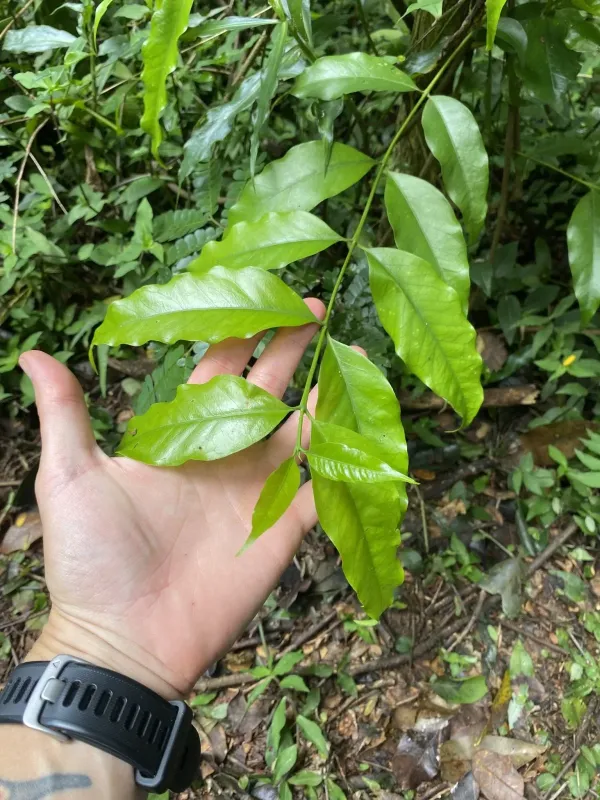
Description
Growing requirements
Tricalysia lanceolata is a species of flowering plant belonging to the Rubiaceae family. Native to tropical African environments, it is characterized by its evergreen foliage and woody growth habit, typical of the forest understory.
The plant requires a tropical climate with consistent temperatures and high ambient humidity. It is sensitive to thermal stress, requiring protection from any temperatures approaching freezing to maintain vital processes.
Soil requirements involve a well-draining substrate, rich in organic matter. An acidic to neutral soil pH is preferred to facilitate the uptake of essential nutrients necessary for the lush development of its lanceolate leaves.
Proper management of light is crucial for this species; it thrives in dappled or filtered light conditions. Excessive direct sunlight can cause significant damage to the leaf structure, resulting in necrosis and loss of vigor.
Beyond its botanical interest, the species is being studied for its chemical profile. Its practical application remains focused on ecological restoration within its native range and ornamental usage in specialized botanical collections.
Main diseases and pests
The most common agricultural threats to Tricalysia lanceolata include root rot pathogens, which thrive in waterlogged soil conditions. Proper irrigation management is therefore the primary method of disease prevention.
Insect pests, specifically scale insects and spider mites, present significant risks to the foliage health. These pests often proliferate when humidity levels are inadequate, causing sap loss and leaf deformation.
Fungal leaf spot diseases are frequently observed if the plant is kept in environments with poor air circulation. These infections can lead to premature defoliation if not controlled during the initial stages.
Nutritional deficiencies are a secondary threat, often manifesting as interveinal chlorosis. Maintaining a balanced fertilization schedule is essential for sustaining the plant's metabolic processes throughout the year.
Implementation of regular plant inspections and the use of integrated pest management (IPM) strategies are strongly recommended to ensure long-term plant survival and productivity in a controlled environment.