
Pseudopyxis depressa
Pseudopyxis depressa
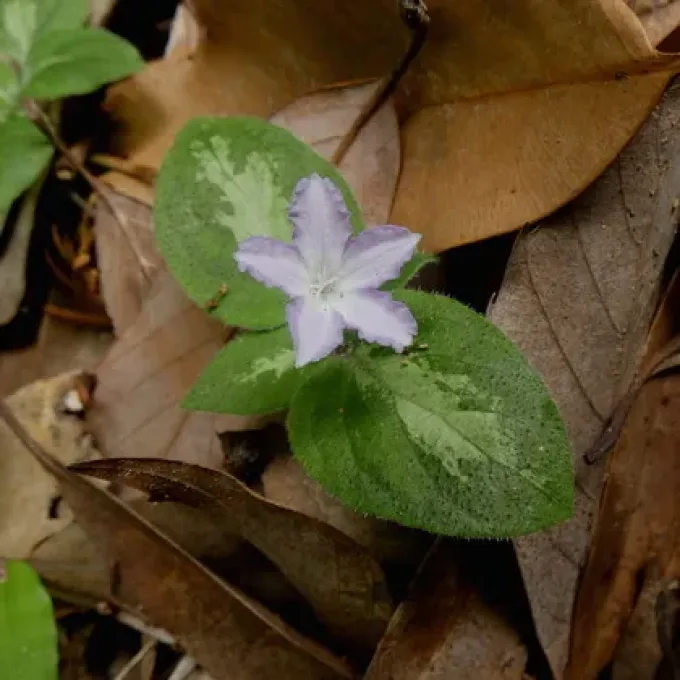
Description
Sowing dates
Pseudopyxis depressa, belonging to the Rubiaceae family, is a distinctive plant species requiring specific environmental conditions for successful cultivation and growth.
Optimal sowing occurs in early spring, once soil temperatures have reached a stable level of at least 15 degrees Celsius to ensure uniform germination rates.
Seeds must be pre-treated through cold stratification to break dormancy, a critical agronomic step that significantly impacts the overall success of the crop establishment.
Seed depth should be kept shallow, as the small size of the seeds necessitates adequate light exposure to trigger the germination mechanism and initial development.
Maintaining consistent moisture levels during the early seedling stage is vital; professional growers often utilize greenhouse trays with humidity control for optimal results.
Growing requirements
This crop thrives in well-drained, nutrient-rich substrates with a neutral pH, as the root system is highly sensitive to soil compaction and waterlogging issues.
Light requirements are nuanced; the plant prefers bright, indirect sunlight, making it highly susceptible to leaf scorching if exposed to intense, direct afternoon heat.
Climatic conditions should ideally mimic its native habitat, focusing on moderate temperatures and consistent humidity levels without extreme fluctuations.
Soil nutrient management relies on balanced fertilization programs, emphasizing micronutrients that support robust vegetative growth and long-term plant health.
Space management is essential; proper air circulation between rows prevents the development of stagnant air pockets, which significantly reduces the risk of physiological stress.
Main diseases and pests
Root rot and various fungal pathogens represent the primary threats to Pseudopyxis depressa, particularly in environments with poor drainage and high humidity.
Common pests such as spider mites and aphids frequently target the foliage, causing significant damage if infestations are left unchecked during the growth season.
Integrated pest management protocols, including the use of beneficial insects and targeted biological agents, are recommended for maintaining a healthy and productive crop.
Sanitation practices, such as the removal of debris and infected plant tissues, are fundamental to preventing the spread of secondary infections across the field.
Constant monitoring for signs of wilt or discolored foliage allows for timely intervention, preserving the overall integrity and yield potential of the plant stand.