
Porterandia anisophylla
Porterandia anisophylla
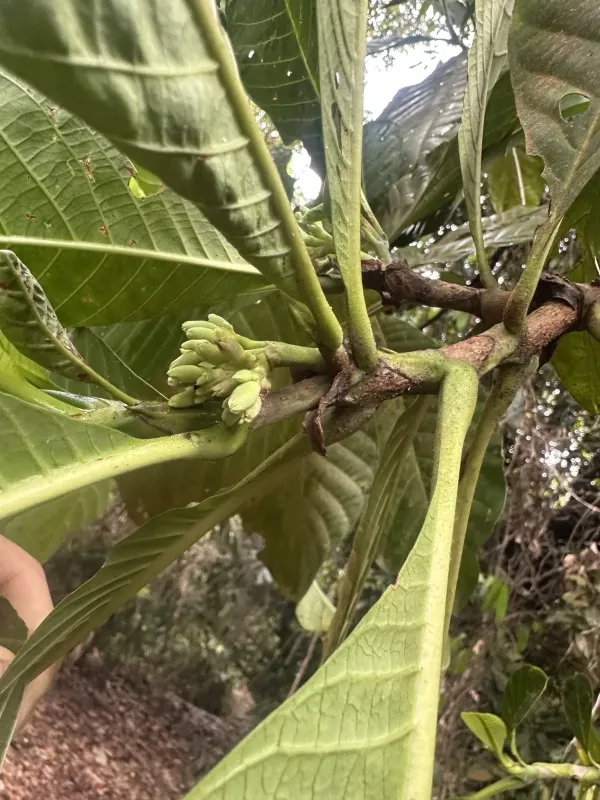
Description
Growing requirements
Porterandia anisophylla is a tropical plant species belonging to the Rubiaceae family. It originates from the rainforests of Southeast Asia, where it thrives in shaded and humid environments.
The plant requires high humidity and consistent tropical temperatures to maintain healthy growth. It is intolerant of cold drafts and requires protection from harsh, direct sunlight to prevent leaf scorch.
Cultivation requires a well-draining, nutrient-rich, and slightly acidic soil medium. Providing excellent aeration is essential to prevent root asphyxiation, as the species is highly susceptible to waterlogging.
Botanically, the species is distinguished by its anisophyllous leaf arrangement, where leaves on a node differ in size. This architectural adaptation maximizes light capture in the deep forest canopy.
Currently, the plant is mainly utilized as an ornamental specimen in botanical collections and greenhouses, where environmental factors can be precisely managed to mimic its natural habitat.
Main diseases and pests
Spider mites are the most prevalent pests, especially in indoor conditions where low humidity favors their rapid reproduction on the underside of leaves.
Mealybugs can infest the nodes and terminal buds, leading to stunted growth and the production of honeydew which attracts sooty mold.
Root rot is a common physiological threat caused by over-watering or the use of heavy, non-porous potting media that prevents proper oxygen exchange.
Fungal leaf spots may occur if air circulation is insufficient, leading to high humidity pockets around the foliage that trigger spore germination.
Integrated pest management strategies should focus on maintaining adequate ventilation and monitoring for early signs of infestation to avoid chemical interventions.