
Polysphaeria parvifolia
Polysphaeria parvifolia
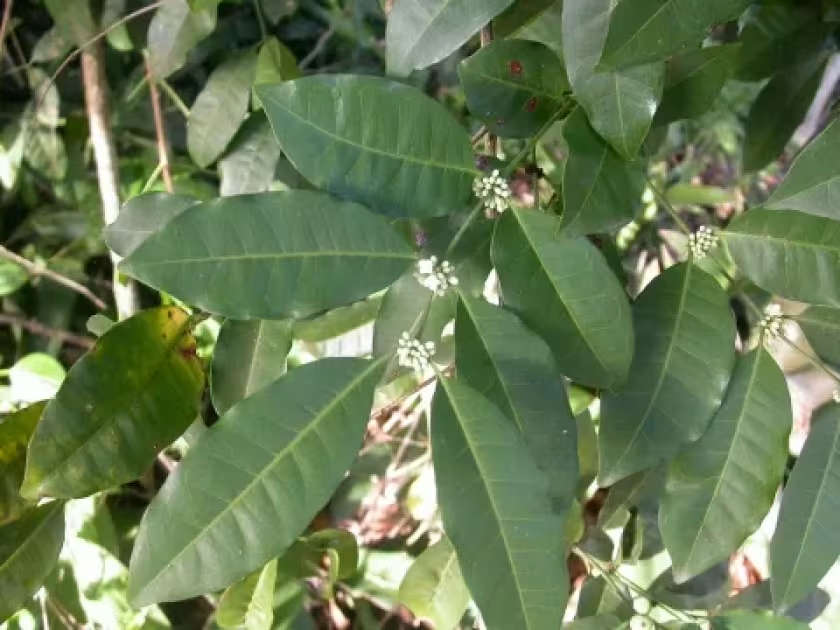
Description
Growing requirements
Polysphaeria parvifolia is a tropical species belonging to the Rubiaceae family. This shrub-like plant is recognized for its dense foliage and specific ecological requirements typical of its native tropical habitats.
The plant thrives in warm, stable climates, requiring temperatures that remain consistent throughout the year. Frost protection is essential, as the species is highly sensitive to cold exposure and thermal shocks.
Optimal growth conditions involve well-drained, nutrient-rich soils with a slightly acidic to neutral pH profile. Improving soil aeration is crucial for preventing the buildup of root-related pathogens.
Light management is a critical aspect of Polysphaeria parvifolia care. The plant performs best in filtered light or partial shade, mimicking the natural forest floor conditions from which it originates.
Agronomic practices should focus on maintaining adequate moisture levels while avoiding waterlogging. Regular fertilization with balanced NPK formulas supports healthy shoot development and leaf density.
Main diseases and pests
Spider mites are common pests that thrive in dry environments, causing leaf stippling and general decline. Frequent misting and the application of acaricides are effective control measures.
Fungal pathogens, particularly root rot, can devastate the crop if drainage is poor. Proper soil management and the use of preventative fungicides are necessary to ensure plant longevity.
Scale insects often infest the stems and underside of leaves, causing structural damage. Manual removal or the application of horticultural oils is recommended for minor infestations.
Aphid outbreaks can occur during the flushing of new growth, requiring close monitoring. Integrated pest management strategies are preferred to maintain ecological balance in the planting area.
Nutrient imbalances, particularly iron deficiency, often cause leaf chlorosis. Foliar applications of chelated iron can resolve these symptoms and restore the plant's natural green pigmentation.