
Houstonia
Houstonia
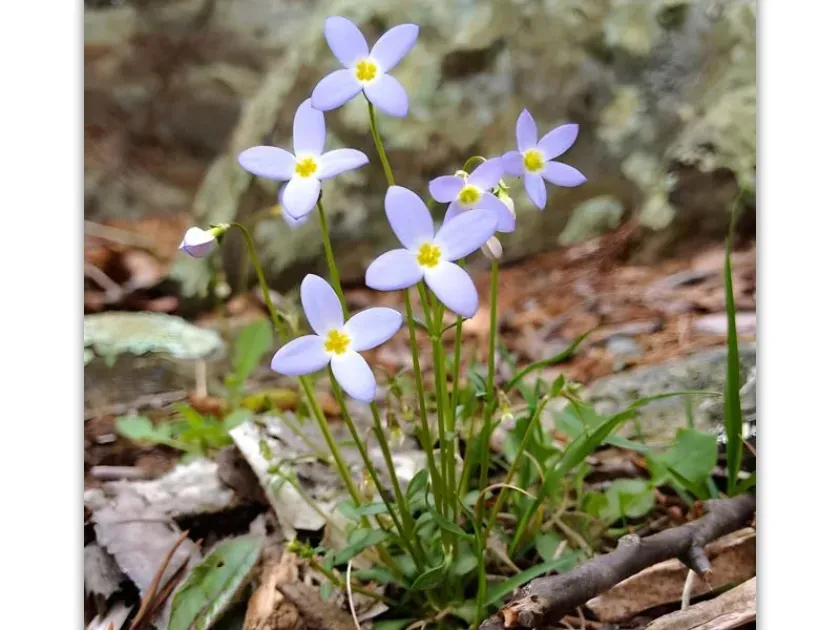
Description
Sowing dates
Sowing Houstonia seeds should be done in late winter or early spring in greenhouse containers. Seeds require light to germinate, so they should be surface-sown on a moist substrate.
Cold stratification for several weeks is highly recommended to improve the germination rate. This mimics natural environmental conditions and encourages more uniform growth.
Once the seedlings develop their first true leaves, they should be pricked out into individual pots. This practice promotes a strong root system before they are transferred to the garden.
Transplanting into the garden bed is best carried out after the threat of frost has passed. Ensure that the soil is warmed up to allow for immediate establishment in the ground.
Vegetative propagation via clump division is a standard method for mature plants. This ensures the survival of the existing traits and allows for the expansion of your garden display.
Growing requirements
Houstonia belongs to the Rubiaceae family and is commonly known as Bluets. These plants are appreciated for their delicate flowers and low-growing, mat-forming habit.
The ideal environment includes well-draining, slightly acidic soil. Adding organic compost or leaf mold can significantly enhance soil fertility and moisture retention.
These plants thrive in full sun to partial shade. In warmer regions, protection from intense afternoon sunlight is necessary to prevent foliage scorch.
Native to North America, these plants are adapted to woodland margins and moist meadows. Consequently, they require consistent moisture, especially during the peak of summer.
Regular maintenance involves light feeding during the growth season and keeping the area free of weeds, which could otherwise compete for essential nutrients.
Main diseases and pests
The primary threats to Houstonia include fungal infections, particularly root rot, which occurs in waterlogged or poorly aerated soil conditions.
Powdery mildew is a common foliage issue, especially in seasons with high humidity and stagnant air. Proper spacing is key to preventing its spread.
Pests like spider mites can cause significant damage during hot, dry spells. Regular misting or the use of horticultural oils can help manage these infestations.
Slugs and snails often feed on the foliage during wet weather. Implementing protective barriers or traps around the plants is an effective organic control measure.
It is vital to monitor the health of the plants regularly. Early detection of any yellowing leaves or wilting can prevent total loss of the planting.