
Hymenodictyon floribundum
Hymenodictyon floribundum
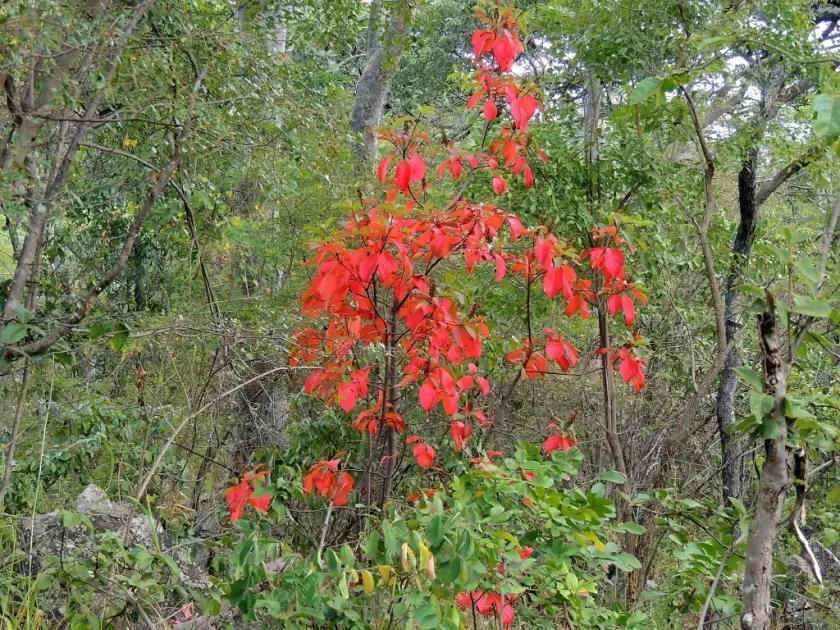
Description
Growing requirements
Hymenodictyon floribundum is a deciduous tree belonging to the Rubiaceae family. It is native to tropical regions of Africa, where it has evolved to thrive in environments characterized by distinct wet and dry seasons.
The tree requires well-drained, fertile soils with a neutral pH to ensure robust root development. It is highly sensitive to waterlogging, making proper soil preparation and drainage management essential for its successful cultivation.
Climatically, this species demands consistently high temperatures and avoids cold stress at all costs. It performs best in tropical conditions where sunlight exposure is abundant, although young seedlings may benefit from partial shade during their establishment phase.
Agricultural management includes systematic monitoring of canopy health and clearing weeds within the root zone to reduce competition for nutrients. Due to its size, proper spacing between trees is necessary to avoid competition for resources.
The botanical structure of the tree allows it to withstand moderate wind loads once established. Regular maintenance involves pruning to remove dead wood and encourage the development of a strong, healthy main trunk.
Yield
The primary economic output of Hymenodictyon floribundum is its timber. The yield is determined by the volume and quality of wood produced over the maturation cycle of the tree, which spans several years.
The wood is valued for its uniformity and density, making it a preferred material for traditional woodworking and construction. Yield improvement depends heavily on silvicultural practices and the density of the plantations.
Beyond timber, various parts of the plant, particularly the bark, are harvested for their pharmacological properties. Sustainable harvesting methods are critical to prevent the depletion of this valuable natural resource.
Economic analysis suggests that the long-term cultivation of this species is viable in regions with suitable ecological conditions. Integrating the trees into agro-forestry systems can enhance land productivity.
Continuous research into breeding and selection focuses on increasing wood density and growth rates. Modern management techniques ensure that the yield remains consistent and high across consecutive generations.
Main diseases and pests
The tree is susceptible to various fungal infections, particularly those that target the vascular system in high-humidity environments. Bark damage often provides a point of entry for these pathogens, leading to stem decay.
Wood-boring insects present a significant threat to plantation health. These pests can cause substantial damage to the trunk, weakening the tree's structural integrity and making it vulnerable to windthrow.
Leaf-eating pests can severely affect the photosynthetic capacity of the tree during the growing season. Early detection and targeted biological controls are essential for preventing widespread defoliation.
Root rot is a common issue arising from poor drainage or irrigation mismanagement. Maintaining proper soil health is the most effective preventative measure against these soil-borne pathogens.
Integrated pest management strategies are used to balance the ecosystem and minimize the need for chemical interventions. This approach ensures that the plantation remains productive while protecting local biodiversity.