
Houstonia purpurea
Houstonia purpurea
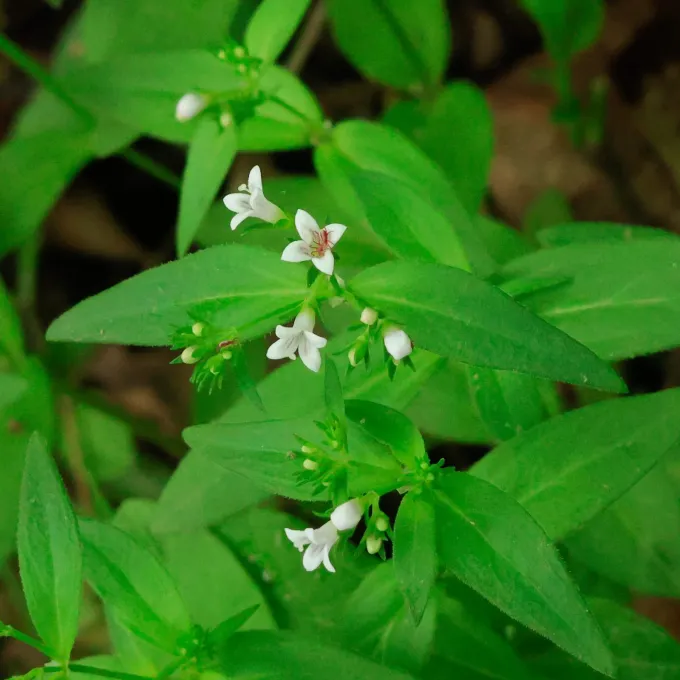
Description
Sowing dates
Seeds of Houstonia purpurea should be sown in early spring. Since the seeds are extremely small, they require careful surface sowing, pressing them lightly into the soil without covering them too deeply to ensure they receive enough light for germination.
Cold stratification is highly recommended to improve germination rates. Keeping seeds in a cold environment for about a month effectively breaks dormancy, leading to more uniform growth during the spring season.
For controlled indoor starting, sow seeds in trays with a fine, moist potting mix. Maintain a temperature range of 18–22 degrees Celsius and cover the trays with plastic to retain humidity until sprouts appear.
Prick out seedlings into individual cells or small pots once the first true leaves have developed. This step helps in building a robust root system before the young plants are introduced to the outdoor environment.
Transplanting into the garden should occur only after the danger of frost has completely passed. Acclimatize the plants gradually over a week by placing them outside for increasing periods daily.
Growing requirements
Houstonia purpurea, a member of the Rubiaceae family, is a herbaceous perennial native to North America. It is commonly found in meadows, open woodlands, and rocky habitats where it thrives in natural ecosystems.
The species prefers well-drained, fertile soil that remains consistently moist but not waterlogged. Adding organic matter, such as leaf mold or compost, to the soil profile can significantly enhance plant vigor.
While the plant enjoys full sun, it is versatile enough to handle partial shade, particularly in hotter climates where protection from the harsh midday sun is essential to prevent wilting.
Regular monitoring of soil moisture is key to maintaining the plant's health. During extended periods without rainfall, supplementary irrigation is necessary to support the flowering cycle throughout the season.
- Requires neutral to slightly acidic soil pH.
- Benefits from occasional mulching to keep roots cool.
- Avoid heavy, clay-based soils that retain too much water.
- Plant in groups for the best visual impact in landscape design.
Main diseases and pests
Houstonia purpurea is generally robust, but it can be susceptible to fungal issues if environmental conditions are poor. Proper site selection is the best preventative measure against most pathogens.
Root rot is the most significant danger, caused primarily by poor soil drainage. If the crown of the plant stays wet for too long, the tissues begin to decay, making the plant irreparable.
Foliar diseases such as powdery mildew may appear during humid summer months. Reducing overhead watering and ensuring adequate spacing between plants will significantly reduce the risk of infection.
Pests like aphids and spider mites can occasionally settle on the foliage. Early detection through regular garden scouting allows for quick intervention using neem oil or insecticidal soaps.
Slugs and snails may target young, tender seedlings in the spring. Implementing physical barriers or safe baiting techniques around the base of the plants can protect them during their vulnerable growth stage.